Program details
-
Plenary lecture 1
Chair(s): Sung Rae Kim
Friday 16 October, 10:40~11:20
Room 1
-
The UK Prospective Diabetes Study (UKPDS) fundamentally transformed the management of type 2 diabetes by establishing the long-term benefits of intensive glycaemic control and introducing the concept of the "legacy effect." In this plenary lecture, Professor Rury Holman, a principal investigator of the UKPDS, will reflect on the pivotal lessons learned from this landmark study and discuss their enduring impact on contemporary diabetes care. By placing the UKPDS findings in the context of today's therapeutic landscape, he will provide valuable insights into strategies for mitigating the consequences of hyperglycaemia and improving long-term outcomes for people with type 2 diabetes.
-
-
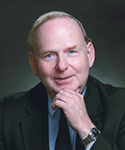 PL1-L1
Rury R. HolmanUniversity of Oxford, UK
-
Mitigating the consequences of hyperglycaemia in type 2 diabetes: lessons from the UKPDS
-
Plenary lecture 2
Chair(s): Chul-Hee Kim
Friday 16 October, 15:10~15:50
Room 1
-
Professor James L. Kirkland, a world-renowned leader in aging biology and a pioneer of senolytic therapies, will explore the role of cellular senescence in diabetes, obesity, metabolic syndrome, and related complications. His groundbreaking research helped establish senescent cells as therapeutic targets in age-related diseases. This plenary lecture will introduce senolytics, senomorphics, and senosensitizers, highlighting their mechanisms and translational potential. Professor Kirkland will also present ongoing studies from the Translational Geroscience Network and discuss promising early findings from clinical trials of senolytic interventions in diabetes and metabolic disease.
-
-
 PL2-L1
James L. KirklandCedars-Sinai Medical Center, USA
-
Cellular senescence, diabetes, obesity, and metabolic disorders: potential therapeutic roles of current and new senotherapeutics
-
Plenary lecture 3
Chair(s): Sung Rae Kim
Saturday 17 October, 10:30~11:10
Room 1
-
Integrated prevention is becoming central to the management of cardiovascular-kidney-metabolic (CKM) syndrome. This lecture reviews landmark cardiovascular outcome trials of GLP-1 receptor agonists, incretin-based therapies, and SGLT2 inhibitors, together with emerging evidence in obesity and organ protection. By integrating recent trial data and guidelines, the session highlights a shift beyond glucose-centric care toward comprehensive, outcome-driven strategies that may reshape prevention across cardiovascular, kidney, and metabolic disease.
-
-
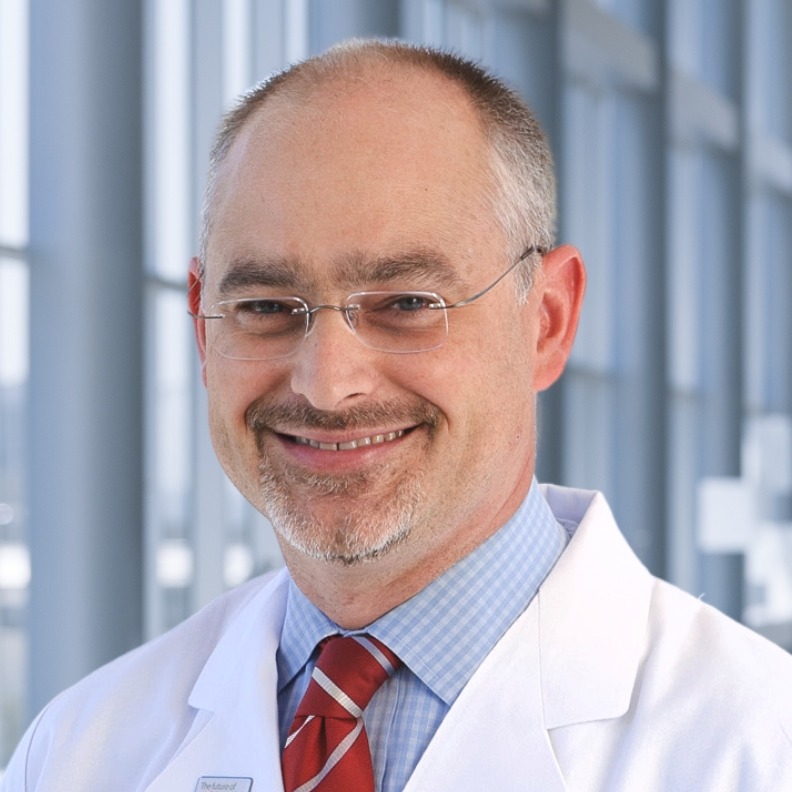 PL3-L1
Darren McGuireUniversity of Texas Southwestern Medical Center, USA
-
Evidence-based and updated CKM preventive strategies, clinical trials


