Program details
-
Key issues and challenges in telemedicine for diabetes (K)
Key issues and challenges in telemedicine for diabetes: shaping the KDA practice guidance
Chair(s): Seak Ki Yun, Jae-Seung Yun
Thursday 15 October, 14:30-15:30
Room 2
-
The amendment to the Medical Service Act establishing a legal framework for telemedicine was promulgated in December 2025 and is scheduled to take effect in December 2026. The successful integration of telemedicine into routine diabetes care requires careful consideration of regulatory requirements, clinical effectiveness, patient safety, and practical implementation challenges. This session will provide a comprehensive overview of the current landscape of telemedicine-based diabetes care, addressing both policy and clinical perspectives. Experts in the field will discuss key challenges associated with implementing telemedicine safely and effectively, and share real-world experiences from diabetes care practice. The session will also explore future directions for the development of telemedicine guidelines that can support high-quality, equitable, and sustainable diabetes management.
-
-
 CS1-L1
Yong Jin KwonSeoul National University, Korea
-
Telemedicine regulation in Korea: principles and directions
-
 CS1-L2
Jin Suk KimKMA Research Institute for Healthcare Policy, Korea
-
Safety concerns in telemedicine and the role of KDA practice standards
-
 CS1-L3
Hun-Sung KimThe Catholic University of Korea, Korea
-
Structuring telemedicine guidance for diabetes: an endocrinologist's perspective
- Panel discussion
-
-
 CS1-P1
Jeunghun HanFriend Dr.Han Clinic, Korea
-
 CS1-P2
Jaewon SunMerakiplace Inc. (My Doctor), Korea
-
 CS1-P3
Jong-Ha BaekGyeongsang National University, Korea
-
 CS1-P4
Myung Jin KimHallym University, Korea
-
Registration of pancreatic disability (K)
Challenges for the health and welfare following the recognition of pancreatic disability
Chair(s): Soo Mi Jang, Suk Chon
Thursday 15 October, 14:30-15:30
Room 3
-
This session has been organized to share the institutional background and clinical criteria following the introduction of the pancreatic disability registration system, and to discuss the social challenges that will arise following the registration of individuals with these conditions. It will serve as an opportunity to reflect on the significance of this registration and to explore ways for multidisciplinary teams to collaborate in establishing a support system for the future.
-
-
 CS2-L1
Jaehyun KimSeoul National University, Korea
-
Establishing pancreatic endocrine dysfunction as an internal organ disability: background and criteria
-
 CS2-L2
Kyung Mee KimSoongsil University, Korea
-
Quality of life and social challenges following registration as a person with a disability
- Panel discussion
-
-
 CS2-P1
Yu Jeong ParkAnsan University, Korea
-
 CS2-P2
Junyoung KimHallym University Dongtan Sacred Heart Hospital, Korea
-
KDA clinical practice guidelines committee session (K)
Highlights from the 2027 KDA clinical practice guidelines, 10th edition
Chair(s): Seung-Hyun Ko, Young Min Cho
Friday 16 October, 13:40~15:00
Room 2
-
This session previews the 2027 KDA Clinical Practice Guidelines (10th edition). Presentations highlight major revisions and the Korean evidence-generation initiative behind them, evolving type 2 diabetes treatment strategies emphasizing weight and cardiovascular-kidney-metabolic risk, the adoption of next-generation incretin therapies, and expanded indications for continuous glucose monitoring and digital health. Together, the talks show how emerging research and local data are shaping the future of diabetes care in Korea.
-
-
 CS3-L1
Jae Hyun BaeSeoul National University, Korea
-
Overview of key revisions and the Korean evidence initiative
-
 CS3-L2
Jin Hwa KimChosun University, Korea
-
Updating the T2D algorithm: weight-centric and CKM-oriented approaches
-
 CS3-L3
Tae Jung OhSeoul National University, Korea
-
Next-generation incretin therapies for people with obesity and T2D: from global trials to Korean practice
-
 CS3-L4
Sun-Joon MoonSungkyunkwan University, Korea
-
Expanding CGM indications and digital health integration
-
Diabetes & Metabolism Journal session
The best paper of the year 2026
Chair(s): Kyung Mook Choi, Junghyun Noh
Friday 16 October, 13:40~15:00
Room 7
-
The Diabetes and Metabolism Journal (DMJ) is the official journal of the Korean Diabetes Association, with an impact factor of 8.2 in 2025. This session presents research from six outstanding papers published in 2025, carefully selected by the Publication Committee through a rigorous review process. We appreciate your continued support for DMJ's growth and development.
-
-
 CS4-L1
Rosa OhChungbuk National University, Korea
-
Metabolic dysfunction-associated steatotic liver disease and all-cause and cause-specific mortality
-
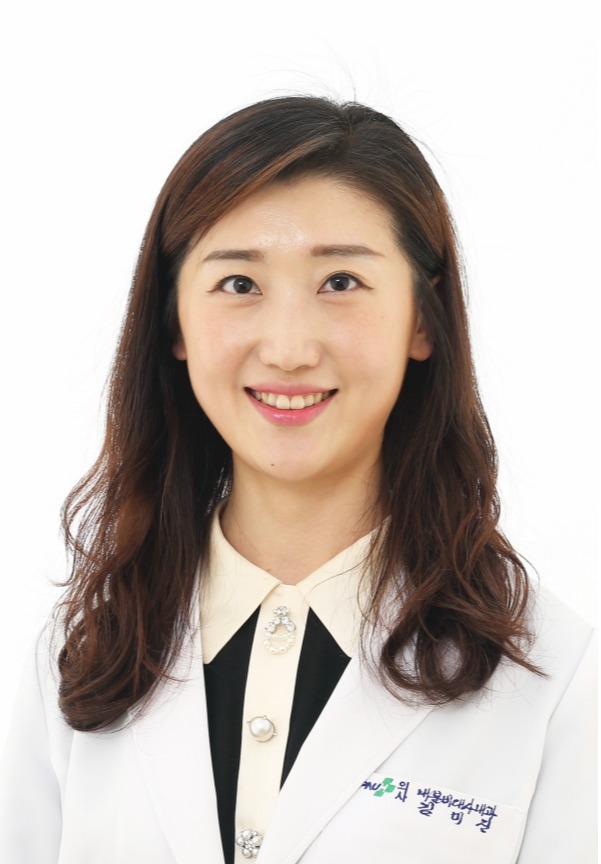 CS4-L2
Mijin KimPusan National University, Korea
-
Use of glucagon-like peptide-1 receptor agonists does not increase the risk of cancer in patients with type 2 diabetes mellitus
-
 CS4-L3
Ji Yoon KimKyung Hee University, Korea
-
Prevalence, incidence, and metabolic characteristics of young adults with type 2 diabetes mellitus in South Korea (2010–2020)
-
 CS4-L4
Chae Beom ParkUniversity of Ulsan, Korea
-
Macrophage-specific progranulin deficiency prevents diet-induced obesity through the inhibition of hypothalamic and adipose tissue inflammation
-
 CS4-L5
Yujin KimKorea University, Korea
-
Ultra-processed food intake and risk of type 2 diabetes mellitus: a dose-response meta-analysis of prospective studies
-
 CS4-L6
Wenqi FanThe Second Xiangya Hospital of Central South University, China
-
Efficacy and safety of automated insulin delivery systems in patients with type 1 diabetes mellitus: a systematic review and meta-analysis
-
ADS–KDA joint session
Bridging technology and clinical action: CGM implementation in the Asia-pacific
Chair(s): Chul-Hee Kim, Sof Andrikopoulos
Friday 16 October, 16:00~17:20
Room 3
-
Continuous glucose monitoring (CGM) has emerged as a transformative technology in diabetes management, offering real-time glycemic insights that extend well beyond traditional glucose metrics. This session examines the current landscape of CGM adoption across the Asia-Pacific region, addressing national coverage patterns, policy integration, and standardization challenges. Speakers will further explore the practical clinical implementation of CGM-linked lifestyle self-monitoring devices and the emerging role of artificial intelligence in leveraging CGM-derived data to predict and prevent diabetes complications. By bridging technological innovation with actionable clinical strategies, this session aims to accelerate the equitable and evidence-based integration of CGM into routine diabetes care throughout Asia-Pacific.
-
-
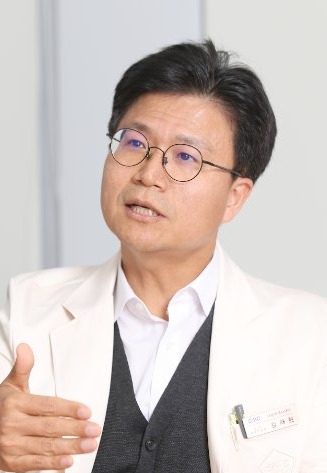 CS5-L1
Jae Hyeon KimSungkyunkwan University, Korea
-
CGM coverage and real-world uptake patterns in Korea: a national registry analysis
-
 CS5-L2
Sof AndrikopoulosAustralian Diabetes Society, Australia
-
Regulatory standardisation to improve the safety of continuous glucose monitoring systems in Australia and New Zealand: joint ADS/ADEA/ADIPS/ANZSPED/NZSSD statement
-
 CS5-L3
Da Young LeeKorea University, Korea
-
Clinical implementation of CGM-linked lifestyle self-monitoring devices
-
 CS5-L4
Gaurav PuriAustralian Diabetes Society, Australia
-
AI transforming diabetes complications
- Panel discussion
-
-
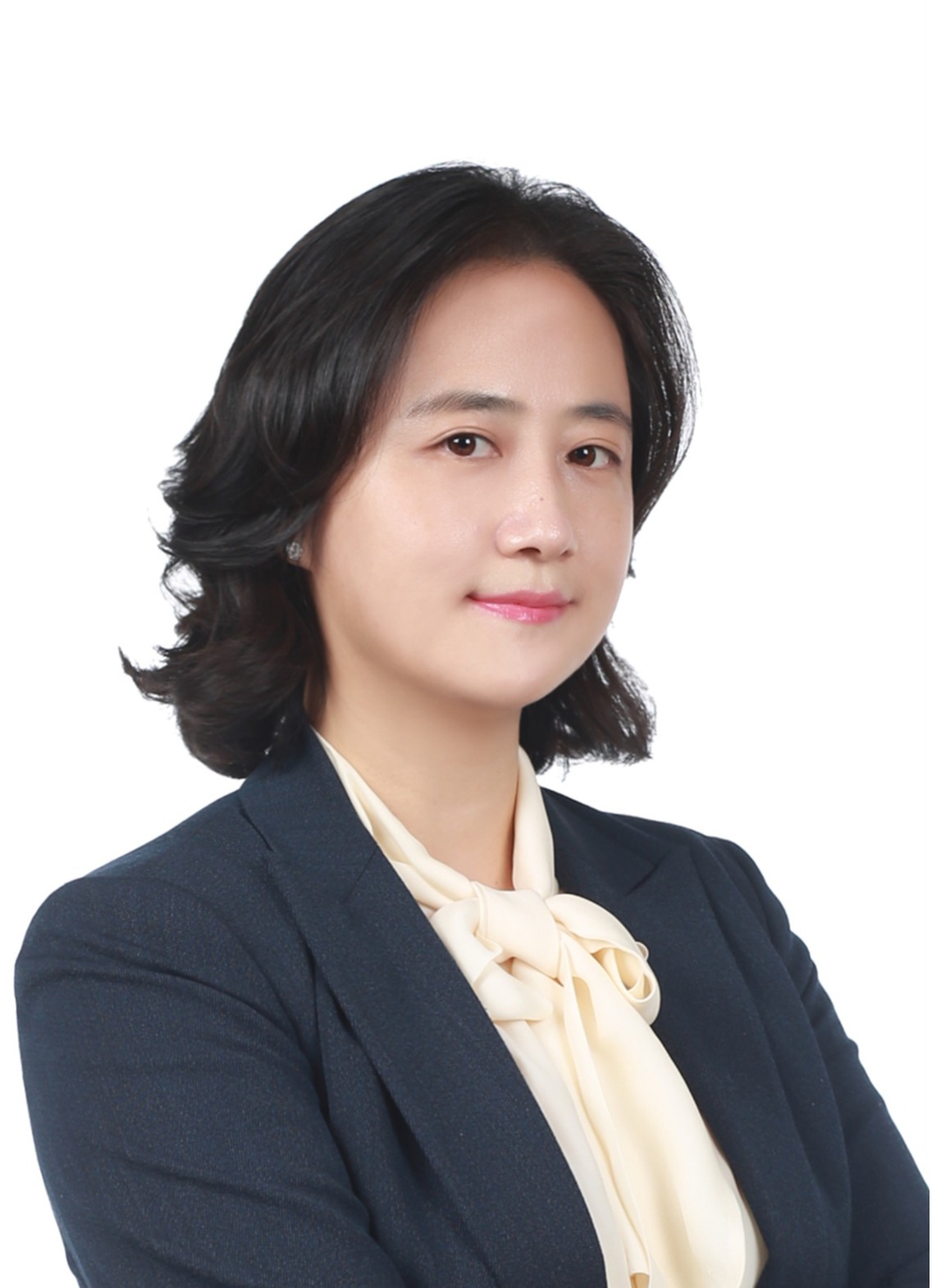 CS5-P1
Seung-Hyun YooCatholic Kwandong University, Korea
-
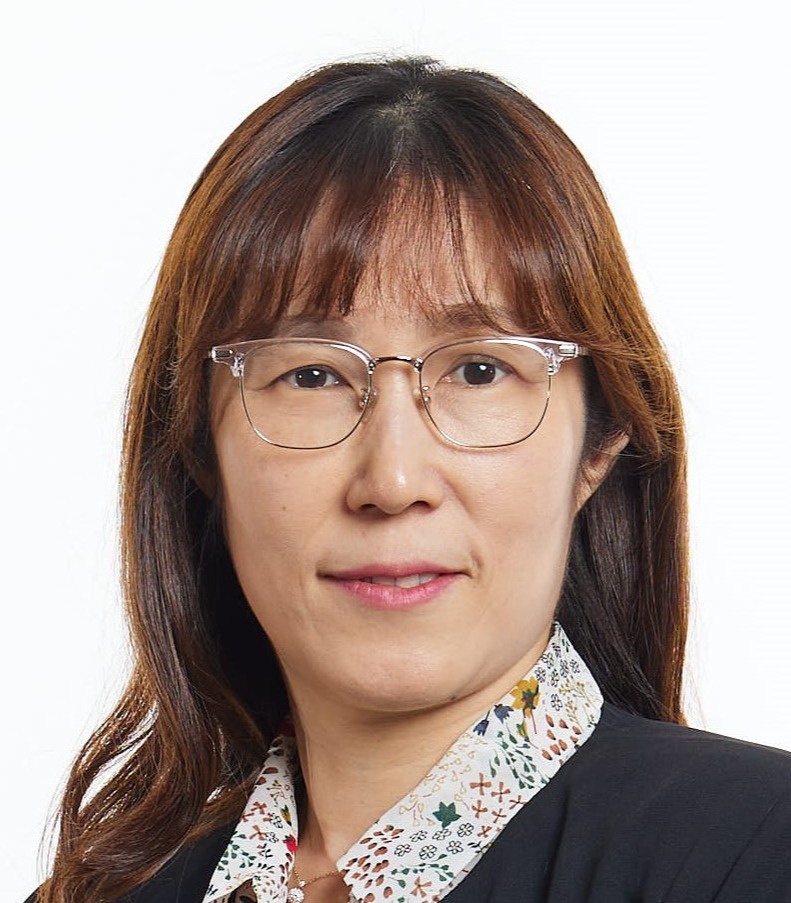 CS5-P2
Ji A SeoKorea University, Korea
-
Diabetes policy forum (K)
Digital transformation and reimbursement policies in diabetes care (당뇨병 관리의 디지털 전환과 보험 정책)
Chair(s): Jeunghun Han, Chong Hwa Kim
Friday 16 October, 16:00~17:20
Room 7
-
This session focuses on digital transformation in diabetes care, addressing reimbursement policies for advanced technologies, the integration of management into hospital evaluations, and strategic revisions for medication reimbursement. By exploring policy, clinical, and system-level perspectives, the session highlights practical pathways to improve access, quality, and sustainability in technology-enabled diabetes care.
-
-
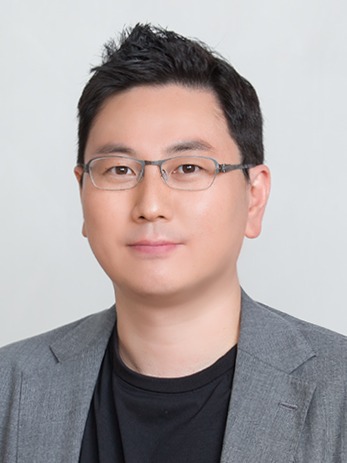 CS6-L1
Junhwan KimKakao Healthcare, Korea
-
Global perspectives on reimbursement for advanced diabetes technology: global coverage trends for insulin delivery devices and CGM and a comparative analysis of Korea's coverage-expansion roadmap
-
 CS6-L2
Dughyun ChoiSoonchunhyang University, Korea
-
Integrating diabetes technology into tertiary hospital evaluation: strategies for enhancing type 2 diabetes management quality
-
 CS6-L3
Ahreum KhangPusan National University, Korea
-
Strategic revision of the general principles for antidiabetic medication reimbursement based on clinical practice guidelines
- Panel discussion
-
-
 CS6-P1
Jinhan LeeDonga Ilbo, Korea
-
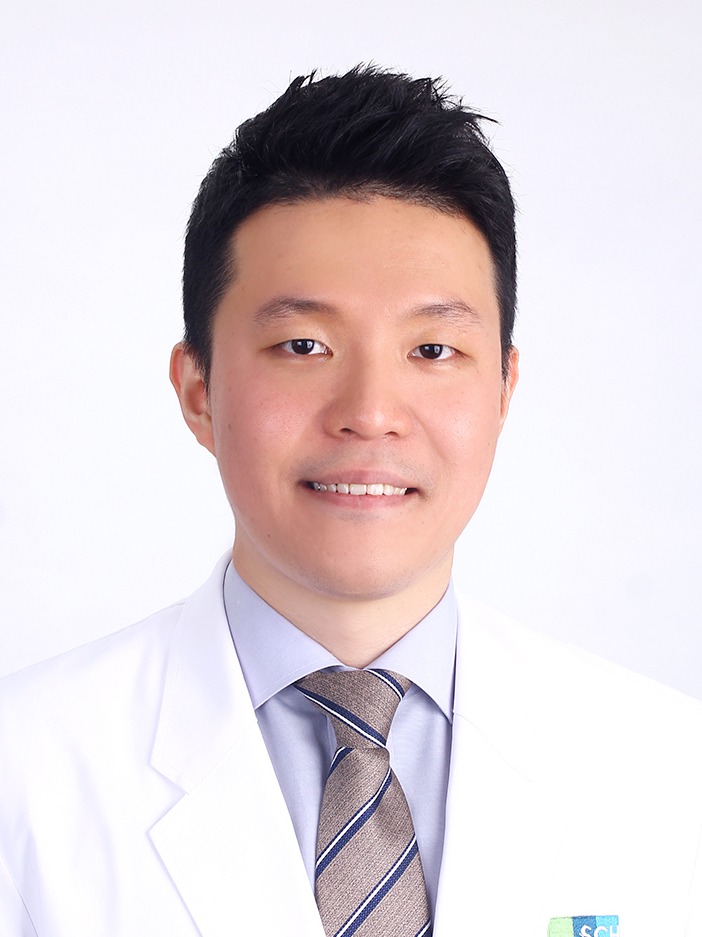 CS6-P2
SangJoon ParkSoonchunhyang University, Korea
-
 CS6-P3
Ji Hyun LeeAjou University Hospital, Korea
-
 CS6-P4
Sun Young KimSamsung Medical Center, Korea
-
Nutrition in GLP-1RA therapy (K)
Nutrition therapy for patients on GLP-1 receptor agonists: losing fat without losing muscle
Chair(s): Jaehyuk Lee, Junghwa Lee
Saturday 17 October, 09:00~10:20
Room 6
-
GLP-1 receptor agonists achieve unprecedented weight loss, but part of the lost weight may come from lean mass. This session examines whether this loss is truly muscle and how to prevent it, from current evidence and emerging therapies to practical guidance on protein and calorie intake and managing weight-loss plateaus, illustrated with real patient cases.
-
-
 CS7-L1
Jaehyun BaeHallym University, Korea
-
Is it really muscle loss - and can we prevent it? from evidence to the emerging pipeline
-
 CS7-L2
Yeonhee LeeAjou University Hospital, Korea
-
The science of eating to keep muscle: protein, energy, and the plateau
-
 CS7-L3
Kyung Hee OhKangbuk Samsung Hospital, Korea
-
Real patient cases: nutrition counseling during GLP-1RA therapy
- Panel discussion
-
-
 CS7-P1
Han Na JungHallym University, Korea
-
 CS7-P2
Ahreum ShinSeoul National University Bundang Hospital, Korea
-
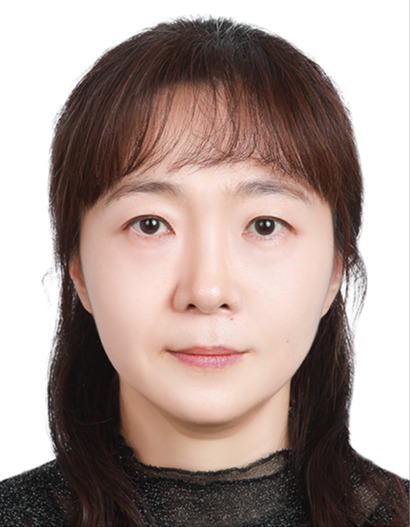 CS7-P3
Jae Won ChoSamsung Medical Center, Korea
-
Young diabetologist boot camp (K)
Essential diabetology
Chair(s): Jong Chul Won, Nam Hoon Kim
Saturday 17 October, 13:30~14:50
Room 6
-
This boot camp introduces medical students and residents to the core foundations of modern diabetes care, integrating insulin physiology and therapy, CGM-driven clinical decision-making, and landmark trials that reshaped treatment paradigms. By linking basic principles with evidence-based practice, the session will prepare future diabetologists to understand diabetes comprehensively and apply advances confidently in real-world care.
-
-
 CS8-L1
Jun Sung MoonYeungnam University, Korea
-
The one ring of diabetology, everything about insulin
-
CS8-L2
Jae Hyeon KimSungkyunkwan University, Korea
-
How CGM has transformed diabetes care
-
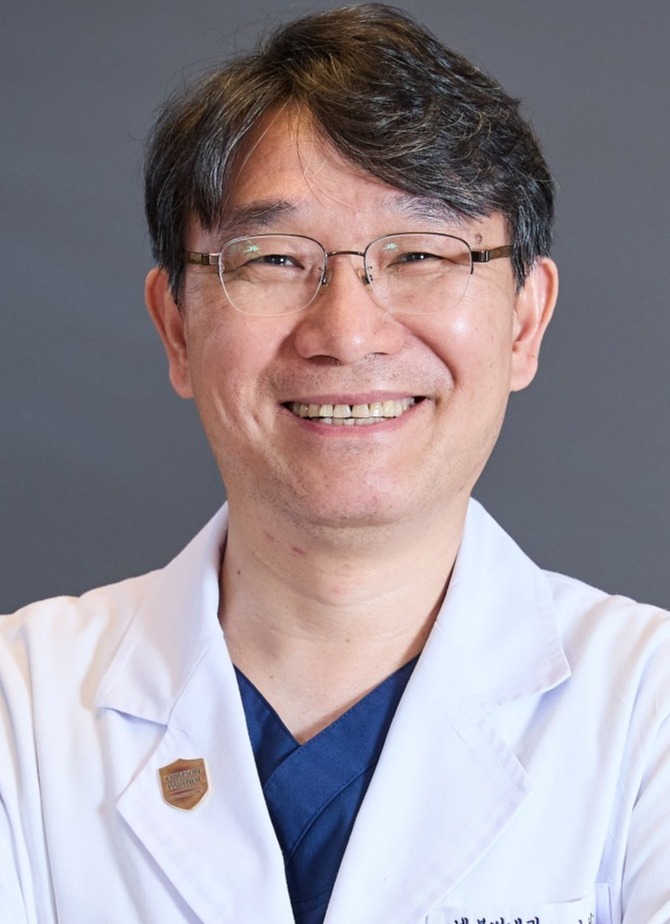 CS8-L3
Sin Gon KimKorea University, Korea
-
Landmark trials that changed diabetes care: from glycemic control to cardiovascular-kidney-metabolic protection


