Program details
-
Innovative metabolic therapeutics under development in Korea
Innovative metabolic therapeutics in development in Korea: from discovery to clinical translation
Chair(s): Bong-Soo Cha, Eun Gyoung Hong
Friday 16 October, 09:00~10:20
Room 2
-
Amid the rapid global development of novel therapeutics for type 2 diabetes and related metabolic diseases, Korea is also actively advancing drug discovery based on its own innovative technologies.This session will highlight novel drug candidates developed in Korea and provide an overview of the current landscape and future perspectives of domestic therapeutic development for type 2 diabetes. In particular, the session will focus on emerging approaches including GPR40 agonists, dual SGLT1/2 inhibitors, and muscle-preserving GLP-1 receptor agonists, and discuss how these agents may shape the future of diabetes and metabolic disease treatment.
-
-
 S01-L1
Yong-ho LeeYonsei University, Korea
-
GPR40 (FFAR1) as a therapeutic target in type 2 diabetes: mechanistic insights and clinical potential
-
 S01-L2
Eun Young LeeThe Catholic University of Korea, Korea
-
Targeting intestinal and renal glucose transport: the rationale and clinical implications of SGLT1/2 dual inhibitors
-
 S01-L3
Haemin ChonHanmi Pharmaceutical, Korea
-
Novel therapeutics for muscle health: in the context of obesity and more
-
Unexpected benefit of Nutrient-Stimulated Hormone (NUSH)-based therapy
Unexpected benefit of Nutrient-Stimulated Hormone (NUSH)-based therapy
Chair(s): Min-Seon Kim, Donna Ryan
Friday 16 October, 13:40~15:00
Room 1
-
NUSH-based therapy is redefining the role of metabolic treatment beyond glycemic control. This session will examine its unexpected effects on reproductive health, neural reward pathways, and type 1 diabetes, illustrating how NUSH pathways may modulate gonadal, neurobehavioral, and non-glycemic metabolic regulatory systems. Together, these perspectives highlight a broader therapeutic paradigm in which NUSH-based strategies may inform precision care across traditionally distinct disease domains.
-
-
 S05-L1
Mojca JensterleUniversity Medical Centre Ljubljana, Slovenia
-
Restoring reproductive health: unexpected effects of incretin-based therapy on fertility and reproductive function
-
 S05-L2
Se Hee MinUniversity of Ulsan, Korea
-
Rewiring reward pathways: the impact of NUSH-based therapy on addiction and compulsive behaviors
-
 S05-L3
Viral N ShahIndiana University, USA
-
Beyond type 2 diabetes: emerging roles of NUSH-based therapy in type 1 diabetes
-
The CKM era in diabetes
CKM syndrome and multiorgan protection in diabetes
Chair(s): Soon Jib Yoo, Yuji Yamazaki
Saturday 17 October, 09:00~10:20
Room 1
-
Cardiovascular–kidney–metabolic (CKM) syndrome has emerged as an important framework for understanding the interrelated pathways that drive cardiovascular and kidney complications in diabetes. Although advances in glucose-lowering therapies have improved outcomes, substantial residual risk remains, highlighting the need for a broader approach to risk assessment and management. This session will review recent evidence supporting individualized CKM care, discuss strategies for identifying high-risk phenotypes beyond HbA1c, and examine the complementary roles of cardiometabolic therapies across CKM stages. Together, these talks will provide practical insights into optimizing multiorgan protection in people with diabetes.
-
-
 S11-L1
Per-Henrik GroopUniversity of Helsinki, Finland
-
From cardiometabolic evidence to individualized CKM care
-
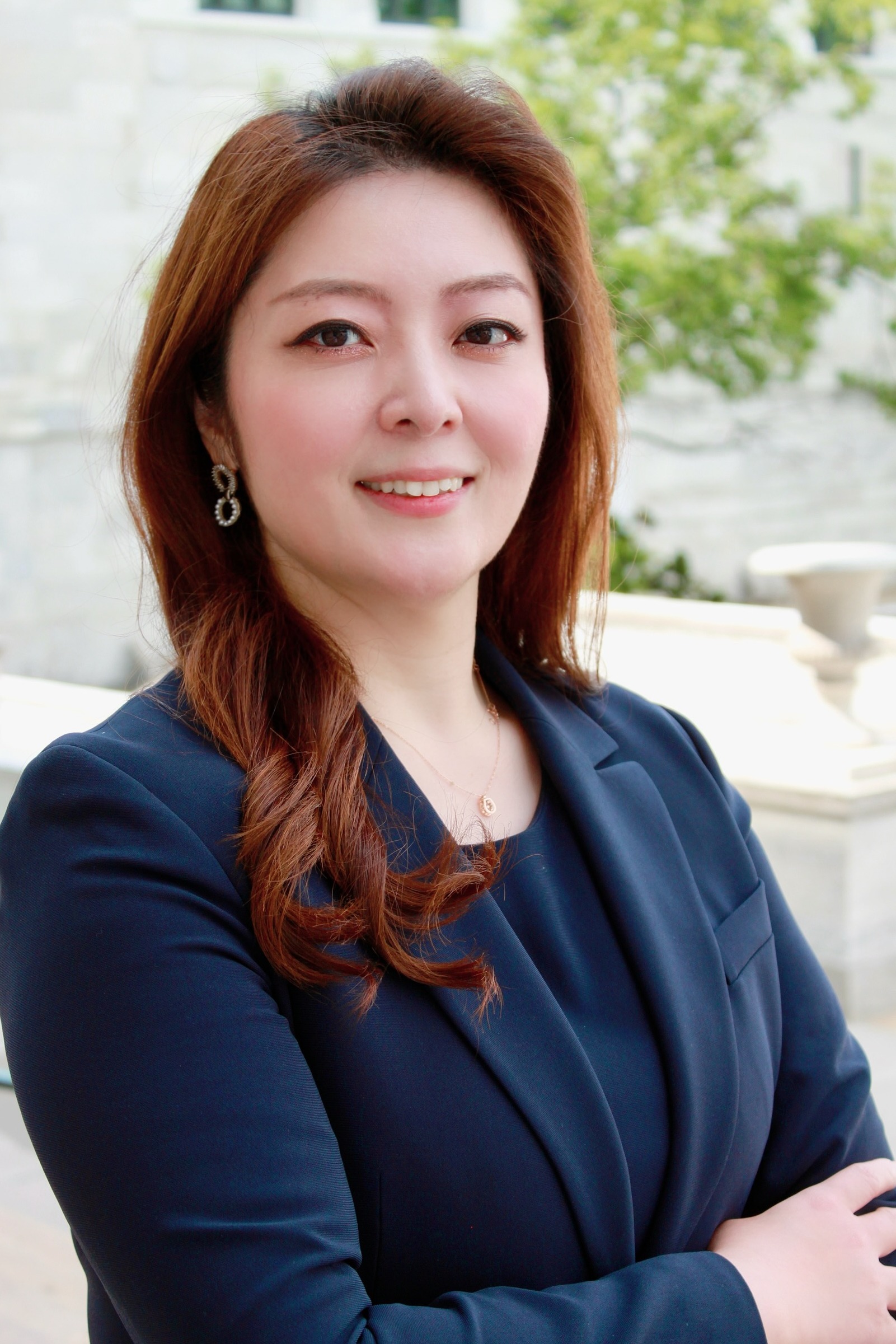 S11-L2
Yu Mi KangHarvard University, USA
-
Recognizing high-risk CKM phenotypes beyond HbA1c
-
 S11-L3
Hiddo Lambers HeerspinkUniversity Medical Center Groningen, Netherlands
-
Synergistic use of cardiometabolic therapies across CKM stages
-
The next wave of diabetes technology
Unboxing the next wave of diabetes technology and therapeutics
Chair(s): Tae Keun Oh, Sang Ah Chang
Saturday 17 October, 15:00~16:20
Room 2
-
Diabetes technology was once regarded as largely confined to type 1 diabetes, but its role is now expanding across the diabetes spectrum, with CGM increasingly recognized as a tool that can aid management from diagnosis to any therapeutic stage. This session highlights the evolving use of diabetes technology in intermediate hyperglycemia (Prediabetes), type 2 diabetes, tech-naïve older adults, and pregnancy, and examines how automated insulin delivery in type 2 diabetes is advancing beyond meal-unannounced approaches toward fully closed-loop, “set-and-forget” systems. Together, these talks will provide a timely overview of the next wave of diabetes technology and its expanding role across the continuum of diabetes care.
-
-
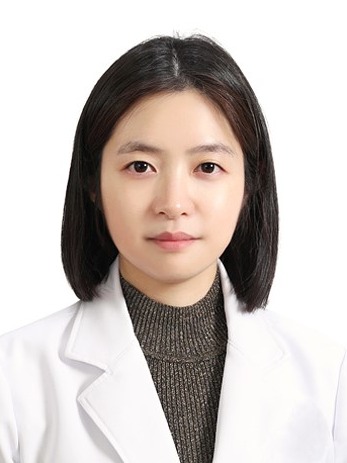 S15-L1
Jee Hee YooChung-Ang University, Korea
-
Expanding the evidence of diabetes technology in special populations: older adults to pregnancy
-
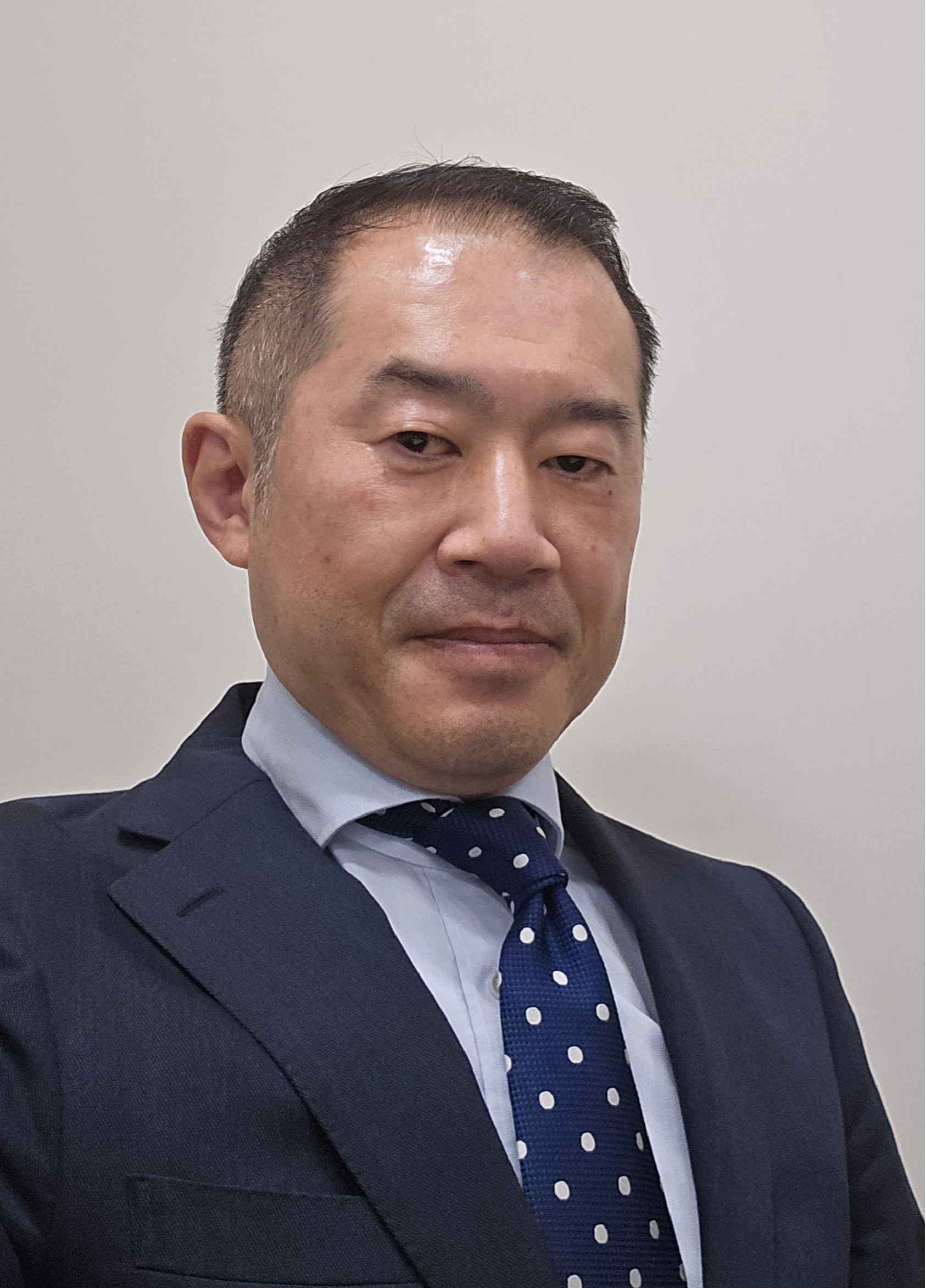 S15-L2
Rimei NishimuraJikei University, Japan
-
Beyond prevention: CGM as a tool for treatment optimization in pre-type 2 diabetes
-
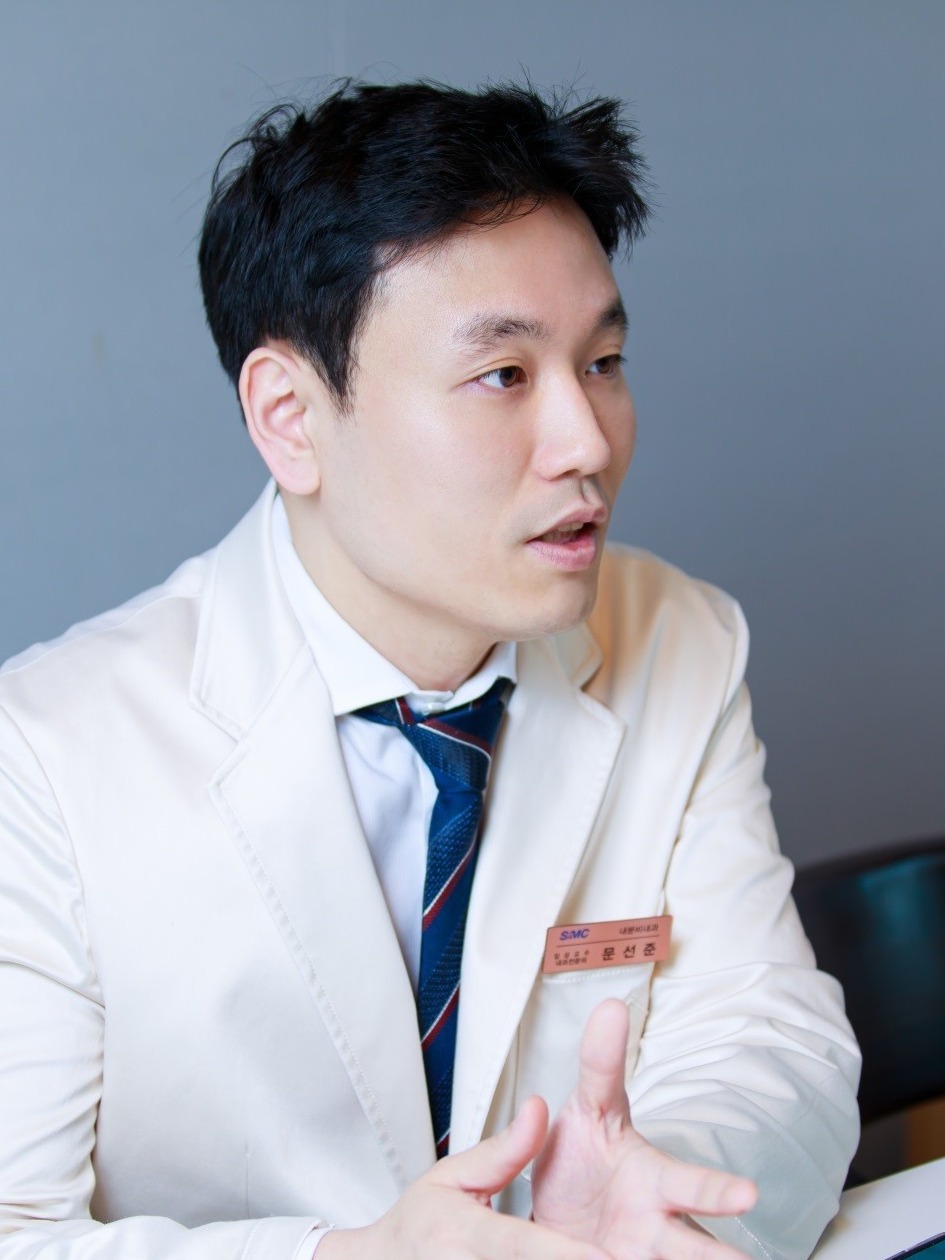 S15-L3
Sun Joon MoonSungkyunkwan University, Korea
-
Current status and future perspectives of fully closed-loop systems for type 2 diabetes in Korea


