Program details
-
Recent trends in autophagy
Molecular mechanisms of autophagy in MASLD and metabolic diseases
Chair(s): Myung-Shik Lee, Byung-Chul Oh
Friday 16 October, 09:00~10:20
Room 3
-
Autophagy, a fundamental mechanism of cellular homeostasis, is deeply intertwined with pathophysiology spanning metabolic diseases to immune responses. This session presents three cutting-edge lectures covering the molecular events driving MASLD development, metabolic-epigenomic coupling in adipose tissue plasticity, and therapeutic strategies targeting autophagy in infection and inflammation. Together, they reframe autophagy as an integrative therapeutic target connecting hepatic metabolism, adipose biology, and the immune-metabolic axis, offering a new treatment paradigm in diabetes and metabolic disease.
-
-
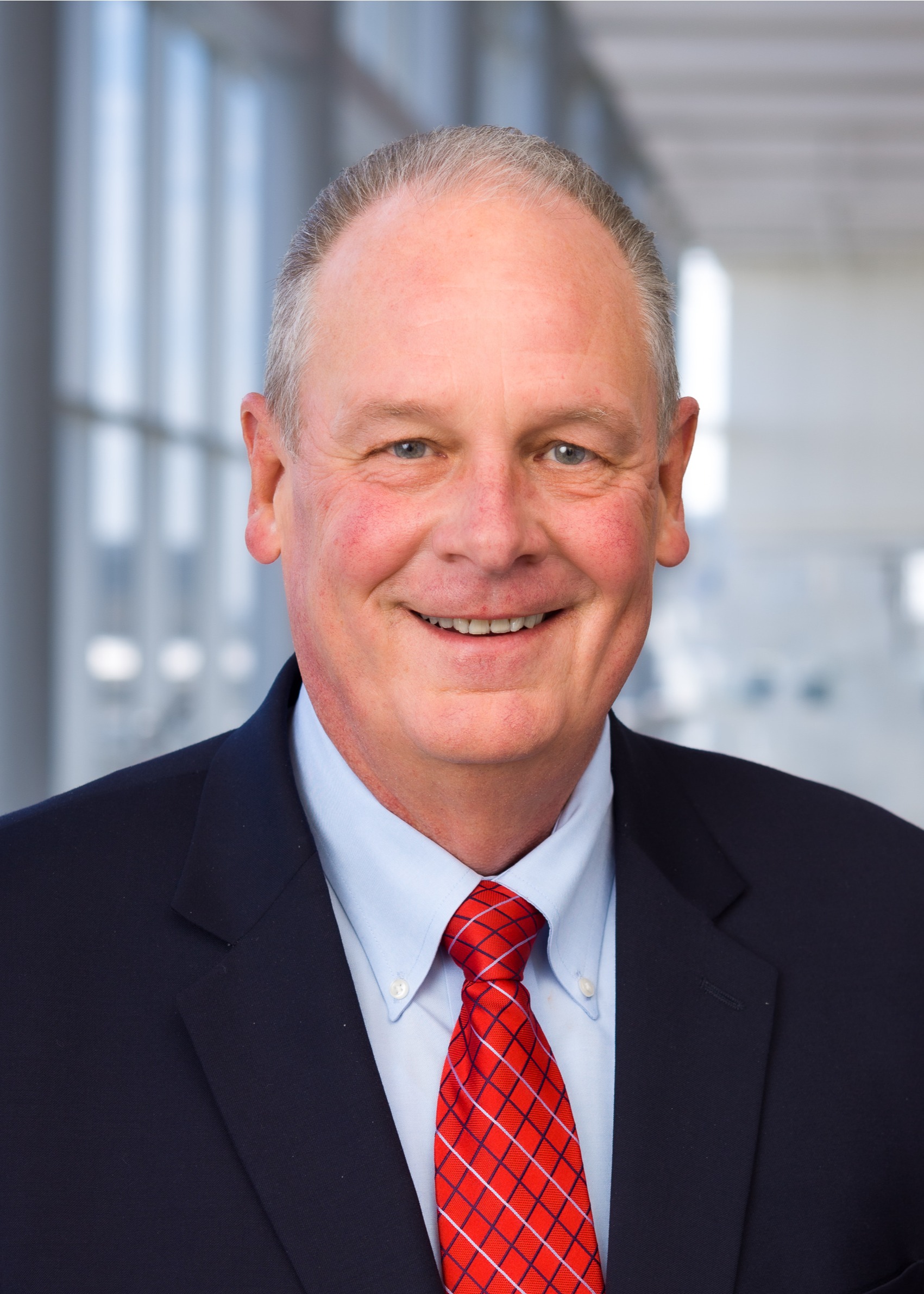 S02-L1
Jay D. HortonUT Southwestern School of Medicine, USA
-
New insights into the molecular events that lead to MASLD.
-
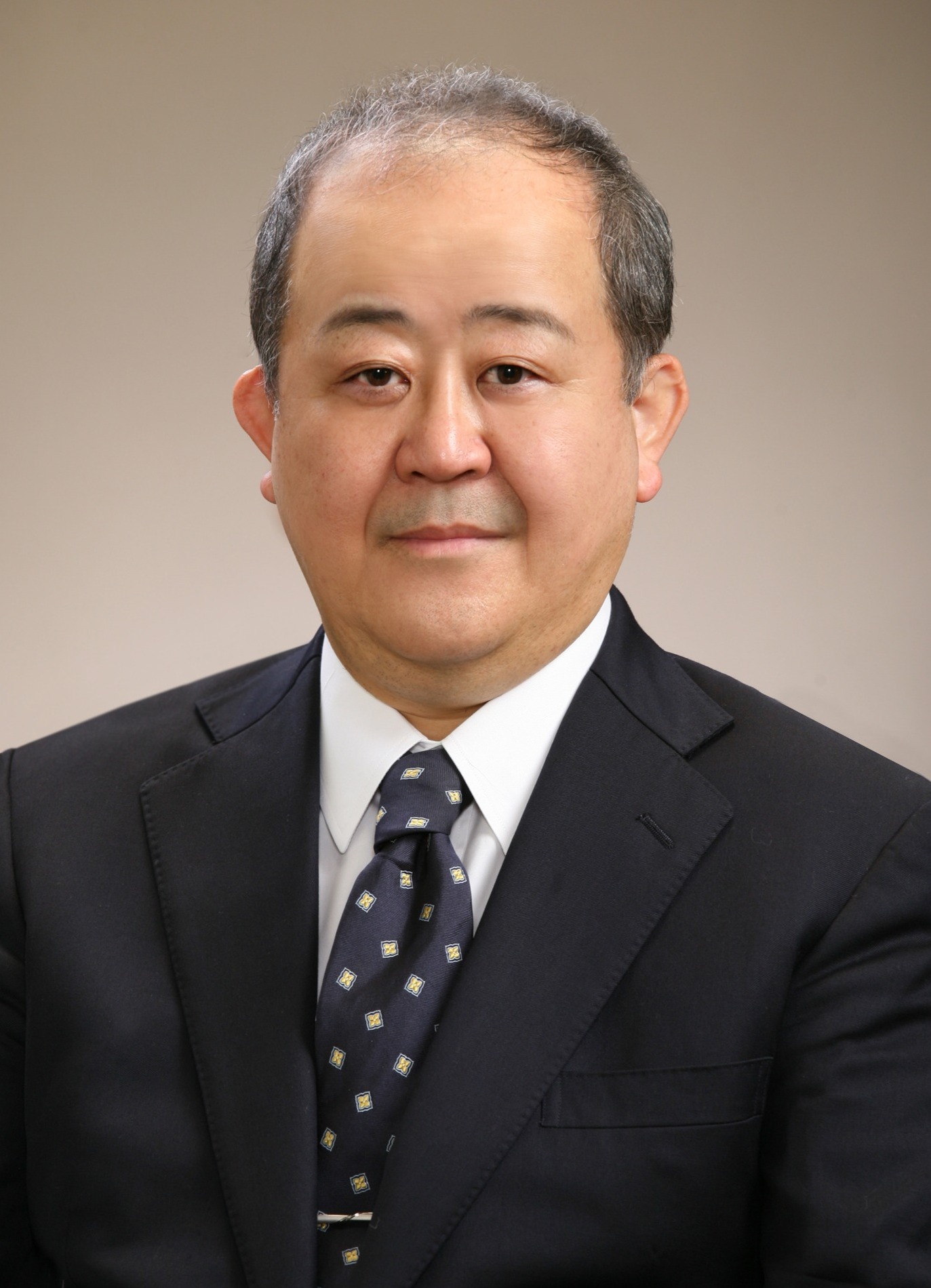 S02-L2
Juro SakaiTohoku University, Japan
-
Metabolic–epigenomic coupling determines adipose plasticity and metabolic health
-
 S02-L3
Eun-Kyeong JoChungnam National University, Korea
-
Targeting autophagy in infection and inflammation
- Panel discussion
-
-
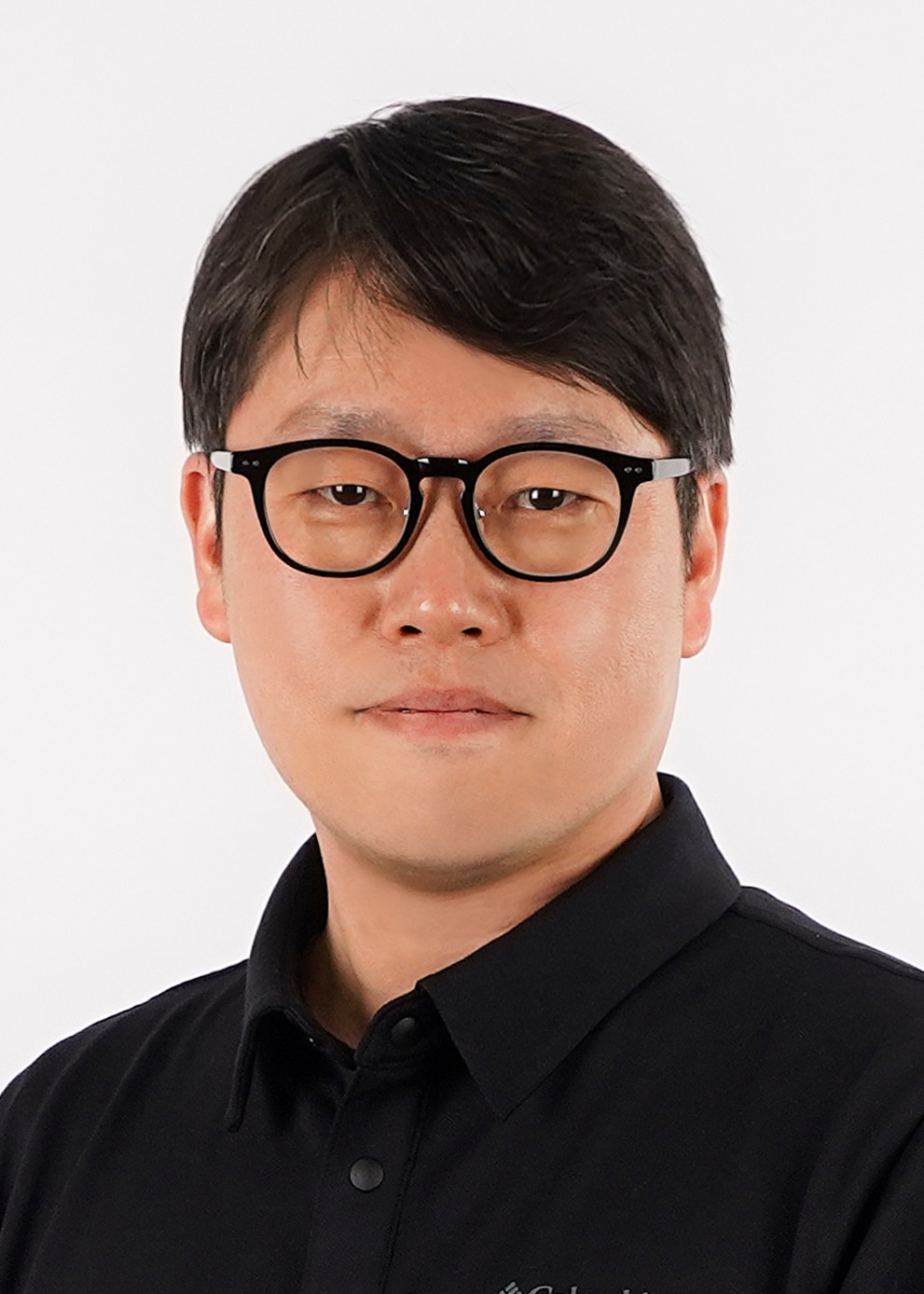 S02-P1
Jaemin LeeDGIST, Korea
-
 S02-P2
Seung Soon ImKeimyung University, Korea
-
 S02-P3
Tae-Il JeonChonnam National University, Korea
-
Ferroptosis and lipid biology in metabolic disease
Ferroptotic cell death and lipid metabolism in diabetes and metabolic disease
Chair(s): Minho Shong, Dae Ho Lee
Friday 16 October, 13:40~15:00
Room 3
-
Regulated cell death is increasingly recognized as a central mechanism linking cellular stress to the development and progression of metabolic disease. This session will focus on ferroptosis, an iron-dependent form of regulated cell death driven by lipid peroxidation, highlighting how lipid peroxidation is precisely regulated, spatially propagated across subcellular compartments, and detected by advanced analytical technologies. These concepts will be further extended to diabetes, pancreatic beta-cell injury, and diabetic kidney disease, deepenning our understanding of ferroptosis and facilitating the development of new biomarkers and therapeutic strategies for metabolic disorders.
-
-
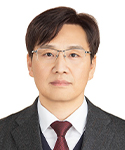 S06-L1
Gwanpyo KohJeju National University, Korea
-
Regulated necrosis in diabetes: ferroptosis in β-cell failure and complications
-
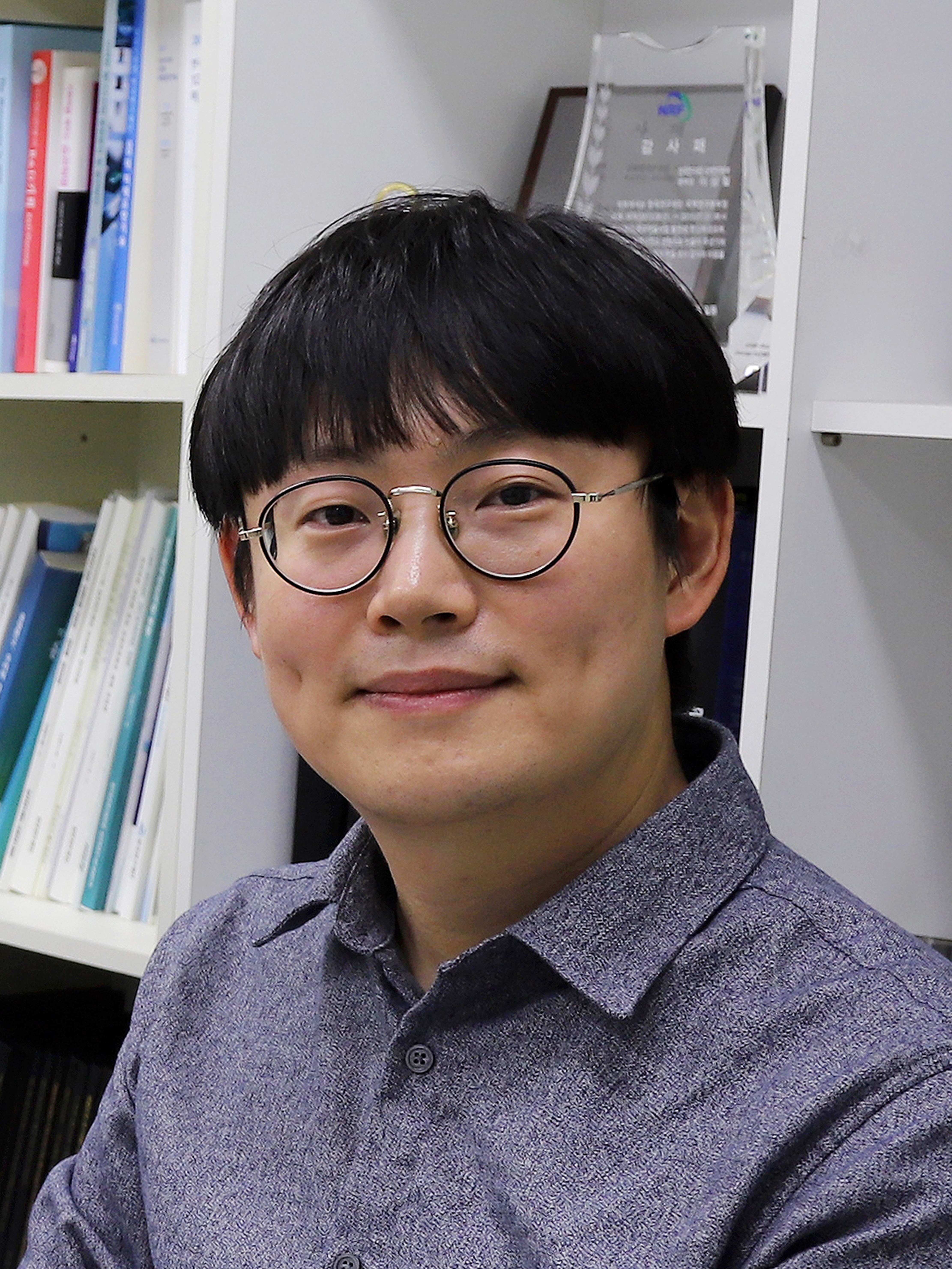 S06-L2
Eun Woo LeeKRIBB, Korea
-
Redox protein modification controls plasma membrane lipid peroxidation during ferroptosis
-
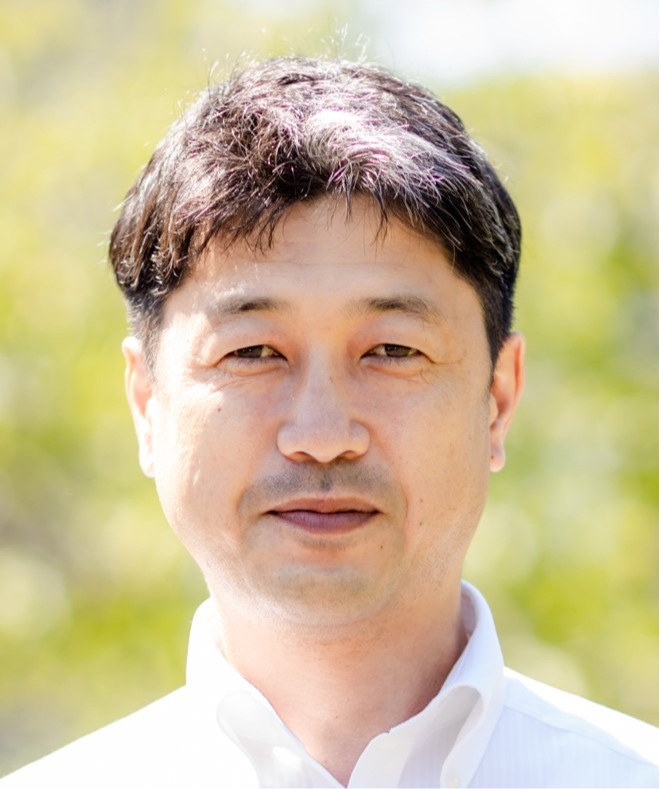 S06-L3
Ken-ichi YamadaKyushu University, Japan
-
Lysosomal lipid peroxidation triggers ferroptosis induction
- Panel discussion
-
-
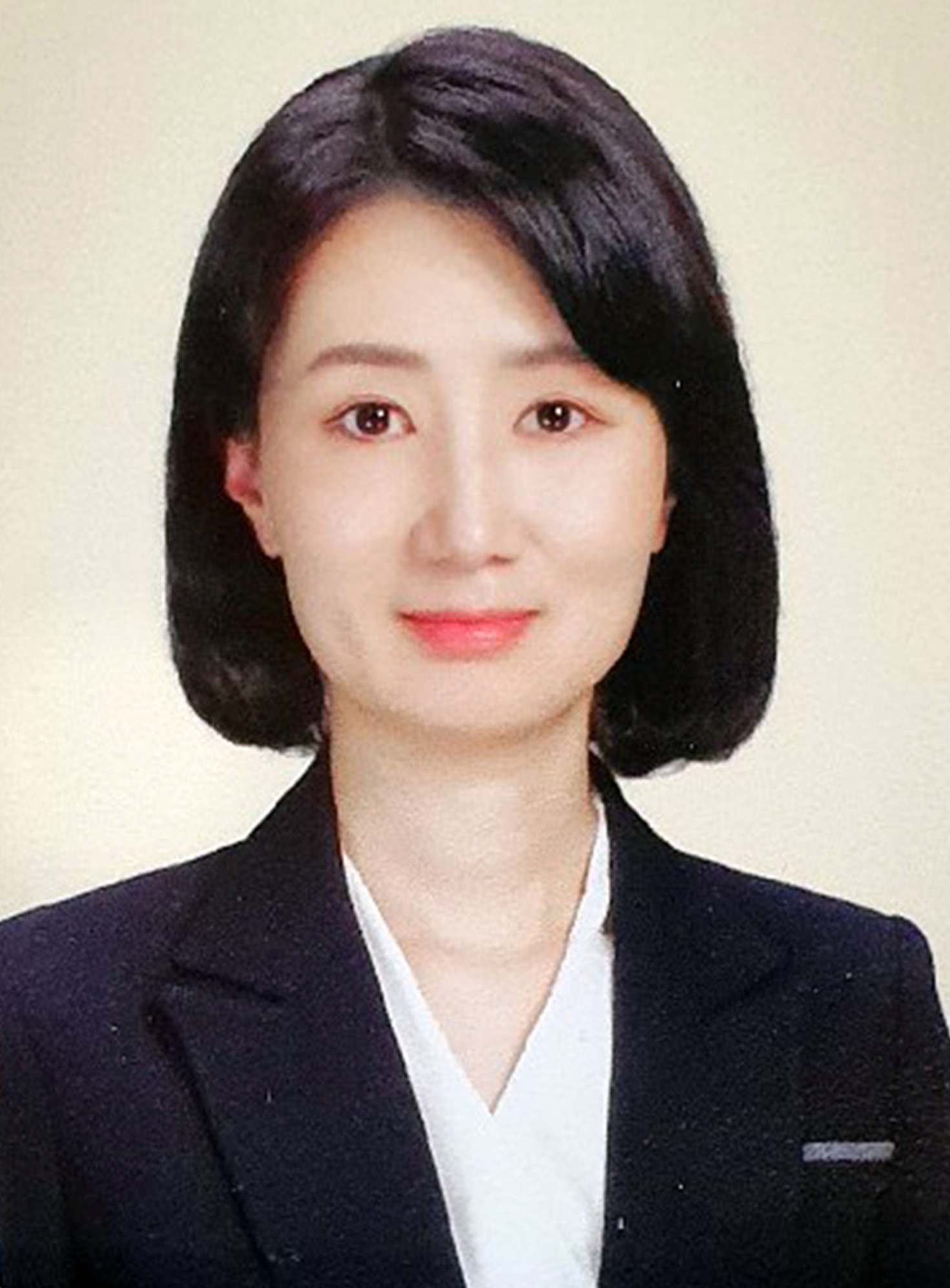 S06-P1
Yun-Hee LeeSeoul National University, Korea
-
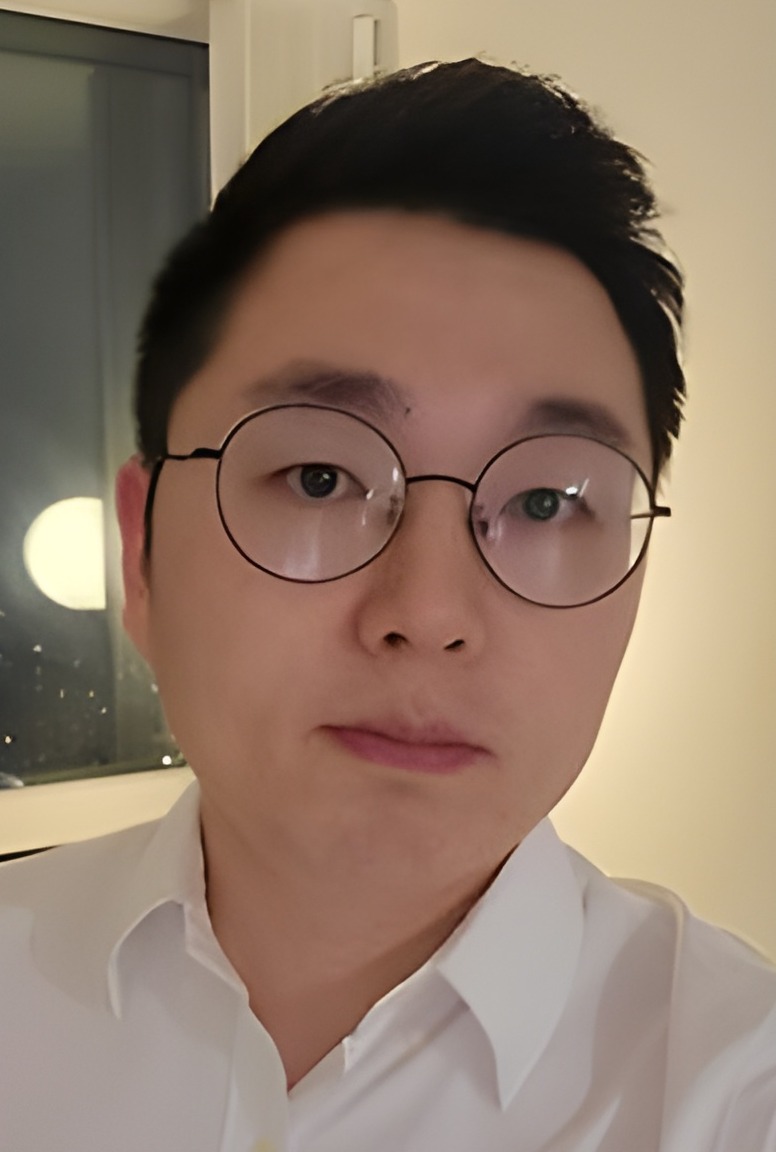 S06-P2
Hunsang LeeKorea University, Korea
-
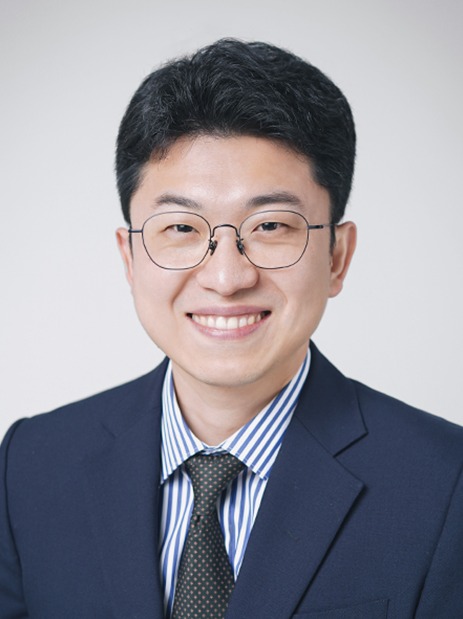 S06-P3
Su Myung JungSungkyunkwan University, Korea
-
Islet transplantation and regenerative therapy
Next-generation islet replacement: from biomaterials to stem cell-derived islets
Chair(s): Kwang-Won Kim, Kun-Ho Yoon
Saturday 17 October, 09:00~10:20
Room 3
-
This session will provide an overview of recent progress and emerging perspectives in islet transplantation for type 1 diabetes. As beta cell replacement therapy continues to evolve, advances in cell sources, transplantation strategies, graft protection, and long-term functional outcomes are expanding the potential of this field. The session will bring together current scientific and translational approaches aimed at improving the safety, efficacy, and durability of islet transplantation. Through these discussions, participants will gain a broader understanding of the current status, key challenges, and future directions of islet transplantation as a therapeutic strategy for type 1 diabetes.
-
-
 S12-L1
Nathaniel S. HwangSeoul National University, Korea
-
Tissue engineering, biocompatible hydrogel, multifunctional nanoparticles, surface modified substrate
-
 S12-L2
Eiji YoshiharaUCLA, USA
-
Immune-evasive human islet-like organoids ameliorate diabetes
-
 S12-L3
Shusen WangNankai University, China
-
Transplantation of chemically induced pluripotent stem-cell-derived islets under abdominal anterior rectus sheath in a type 1 diabetes patient
- Panel discussion
-
-
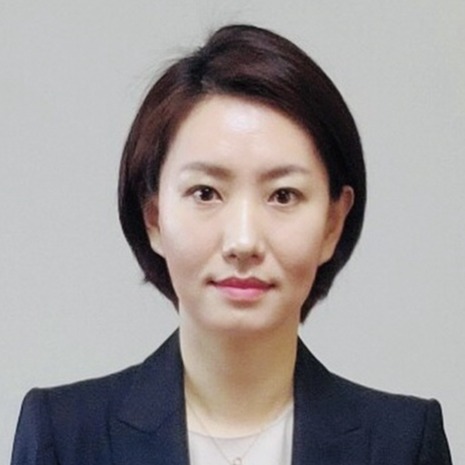 S12-P1
Eun Young LeeThe Catholic University of Korea, Korea
-
 S12-P2
Kihyun LeeEwha Womans University, Korea
-
 S12-P3
Hyeongseok KimChungnam National University, Korea
-
Sarcopenia
Chair(s): Kwan Woo Lee, Cheol Soo Choi
Saturday 17 October, 15:00~16:20
Room 3
-
Sarcopenia, the progressive loss of skeletal muscle mass and function, is a major driver of frailty and poor outcomes in aging and metabolic disease. This session brings together three perspectives on combating sarcopenia: nicotinamide riboside supplementation to counteract drug-induced lipodystrophy, a novel CA3–AKT–GSK3β–PGC1α pathway rejuvenating aged satellite cells to enhance muscle regeneration, and strategies to reprogram mitochondrial metabolism to combat sarcopenia. Together, these talks highlight converging metabolic, mitochondrial, and regenerative approaches opening new therapeutic avenues for sarcopenia.
-
-
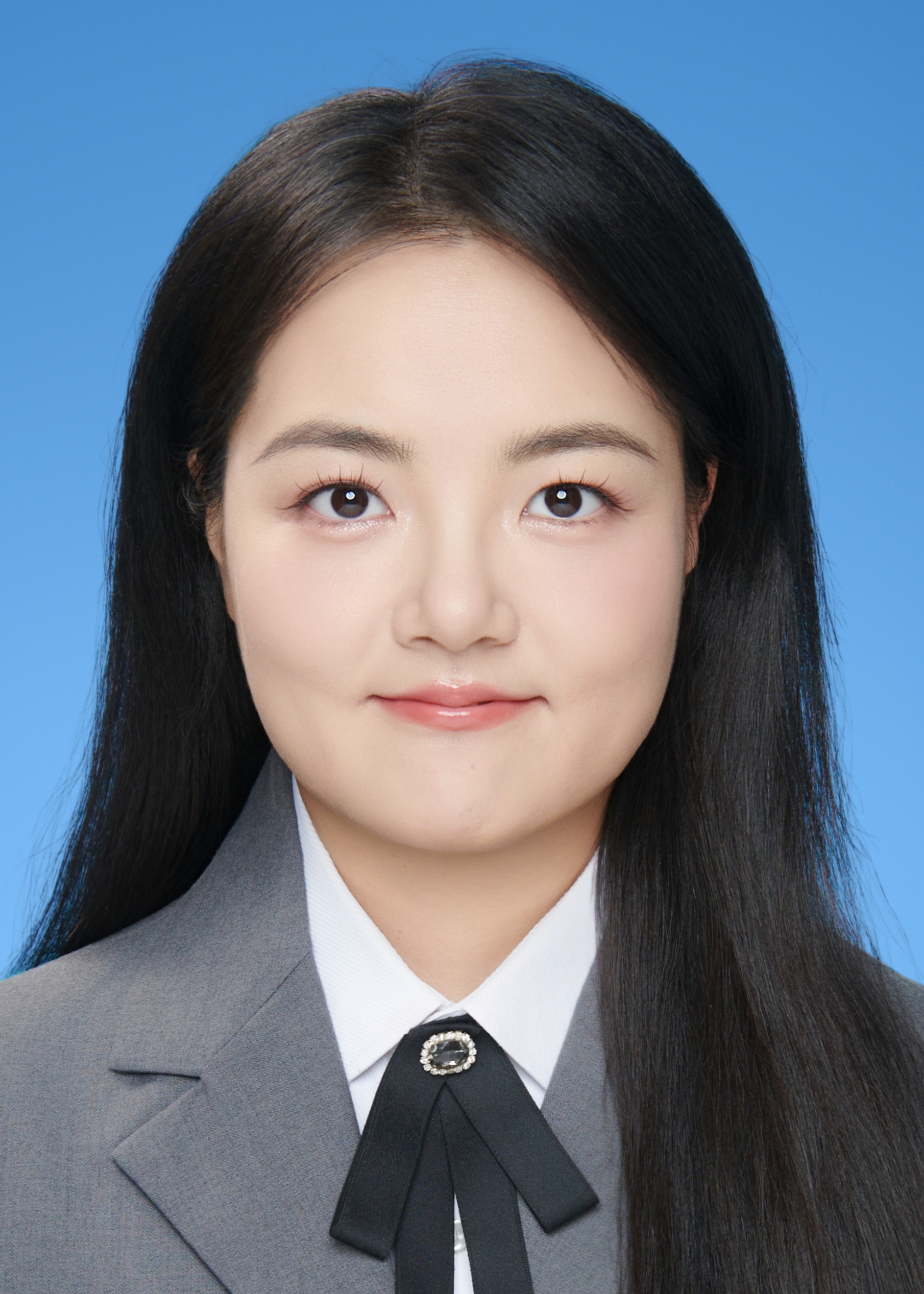 S16-L1
Yan ZhangCentral Hospital of Dalian University of Technology, China, China
-
Nicotinamide riboside attenuates ritonavir-induced lipodystrophy and systemic side effects
-
S16-L2
Darren R. WilliamsGIST, Korea
-
Targeting carbonic anhydrase 3 enhances skeletal muscle regeneration via a non-canonical AKT-GSK3β-PGC1α pathway to rejuvenate aged satellite cells
-
S16-L3
Jong-Sun KangSungkyunkwan University, Korea
-
Mitochondrial metabolic reprogramming to combat sarcopenia
- Panel discussion
-
-
S16-P1
Jae Myoung SuhKAIST, Korea
-
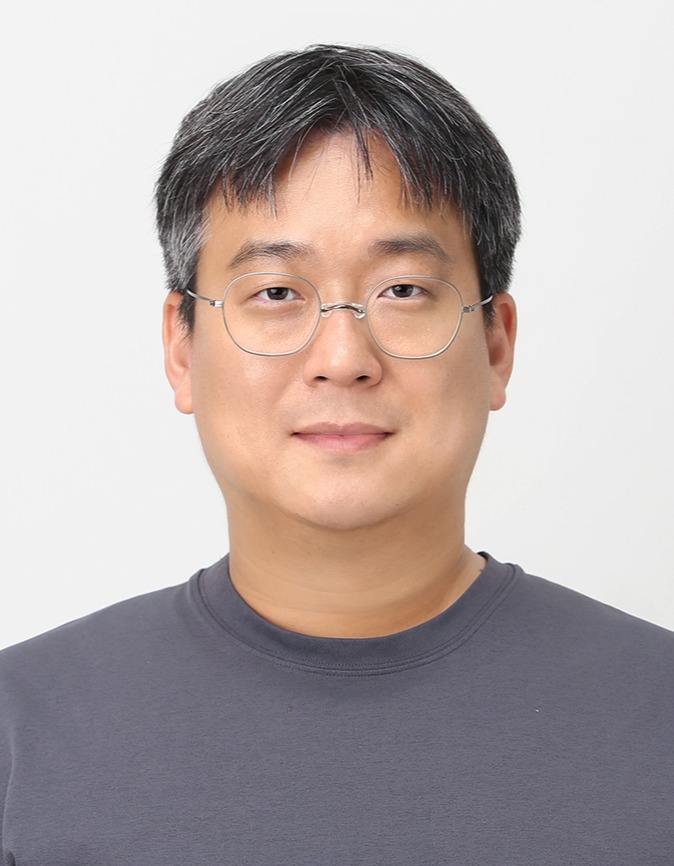 S16-P2
Chang-Myung OhGIST, Korea
-
 S16-P3
Jae-Han JeonKyungpook National University, Korea


