Program details
-
Diabetes distress (K)
Integrated multidisciplinary approach to alleviating diabetes distress
Chair(s): Kang Seo Park, Mi Kyung Kim
Friday 16 October, 09:00~10:20
Room 5
-
Diabetes distress is a common yet often underrecognized barrier to effective self-management. This session will present practical approaches to screening and emotional coaching, nutritional strategies to reduce diet-related burden, and psychosocial interventions addressing psychological and socio-environmental barriers. Through multidisciplinary discussion, diabetes educators will gain actionable tools for patient-centered support. The session will highlight how integrated care can improve emotional well-being, treatment engagement, and long-term diabetes outcomes.
-
-
 S04-L1
Young NaYeouido St. Mary's Hospital, Korea
-
Practical screening and emotional coaching for diabetes distress
-
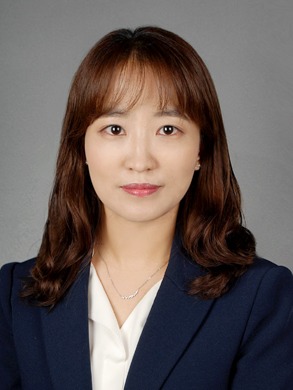 S04-L2
Hyunjung LimKyung Hee University, Korea
-
Nutritional strategies: reducing diet-related distress
-
 S04-L3
Jee Hyun LeeGangnam Severance Hospital, Korea
-
Psychosocial interventions for diabetes distress: addressing psychosocial and environmental determinants
- Panel discussion
-
-
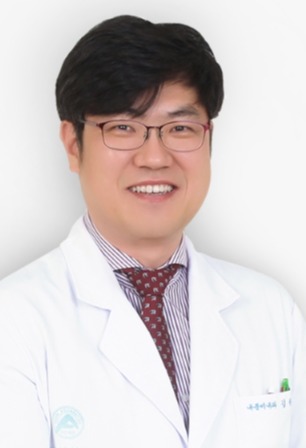 S04-P1
Won Jun KimUniversity of Ulsan, Korea
-
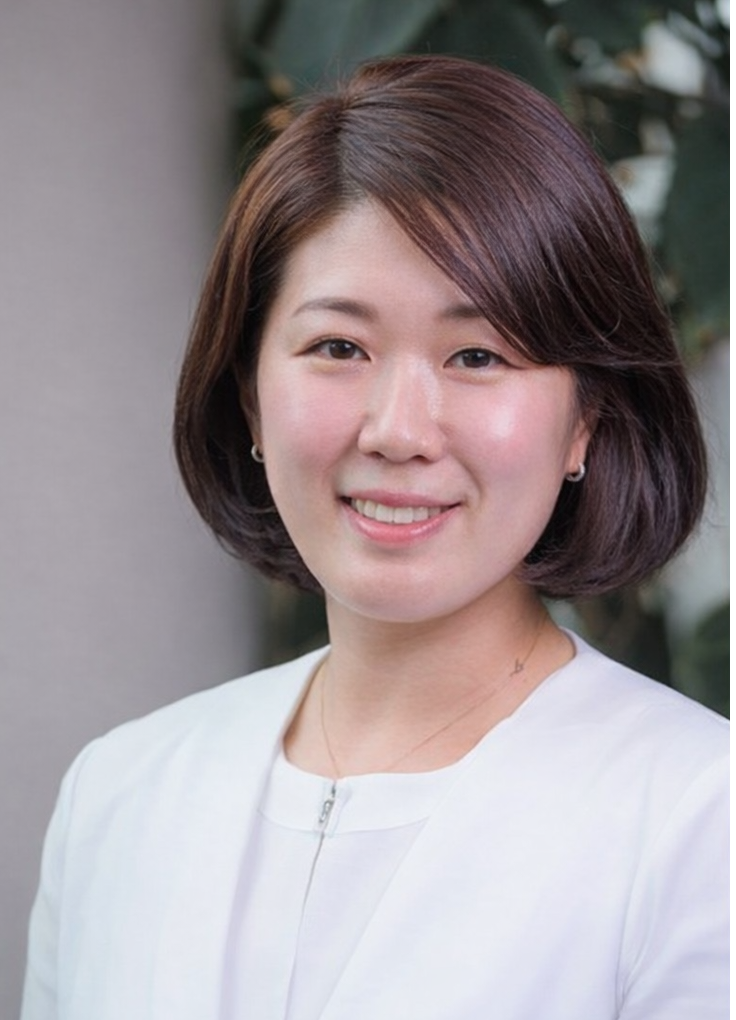 S04-P2
Yeonjeong JangYonsei University Health System, Korea
-
 S04-P3
Dongcheol KimInha University Hospital, Korea
-
Pancreatic disability care (K)
Nursing strategies for the type 1 diabetes home healthcare pilot program and early pancreatic disability registration
Chair(s): Young Sun Youn, Jung Hwa Lee
Friday 16 October, 13:40~15:00
Room 5
-
Launched in 2020, the Type 1 Diabetes Home Healthcare Pilot Program has served as an important foundation for supporting patients beyond clinical settings. However, challenges remain in expanding patient enrollment, reducing dropout rates, and improving long-term adherence.
Drawing on real-world experience, this session will discuss practical strategies to enhance care adherence and examine operational challenges in the pancreatic disability registration system, introduced in July 2026. Ultimately, it aims to bridge the gap between policy and practice, offering a path forward for more comprehensive and sustainable care for people with type 1 diabetes.
-
-
 S08-L1
Hyo Seon KwakDaegu Catholic University Medical Center, Korea
-
After patient expansion: strategies to strengthen the home healthcare pilot program
-
 S08-L2
Young Jin ChoiKyung Hee University Hospital at Gangdong, Korea
-
Analyzing dropout factors and improving adherence in the home healthcare pilot program
-
 S08-L3
Min Jeong GuSeoul National University Hospital, Korea
-
Pancreatic disability registration: patient benefits, registration process, and real-world challenges
- Panel discussion
-
-
 S08-P1
Hyegyeong JinDankook University Hospital, Korea
-
 S08-P2
Hye-Mi LeeSamsung Medical Center, Korea
-
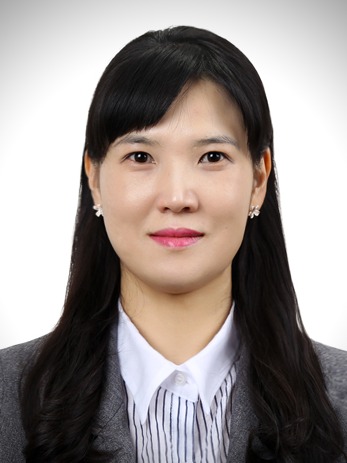 S08-P3
Min Kyong KimAsan Medical Center, Korea
-
Artificial intelligence, precision nutrition, CGM, digital health
AI-driven precision nutrition: integrating microbiome and CGM for personalized glucose management
Chair(s): JeongHyun Lim, Suk Chon
Friday 16 October, 16:00~17:20
Room 5
-
Precision nutrition represents an emerging approach to diabetes care that seeks to tailor nutritional interventions according to individual metabolic and behavioral characteristics. This session highlights the growing roles of continuous glucose monitoring, artificial intelligence, chronobiology, and digital health technologies in generating personalized insights and guiding intervention strategies. These advances may help bridge scientific innovation and real-world implementation in diabetes prevention and metabolic health.
-
-
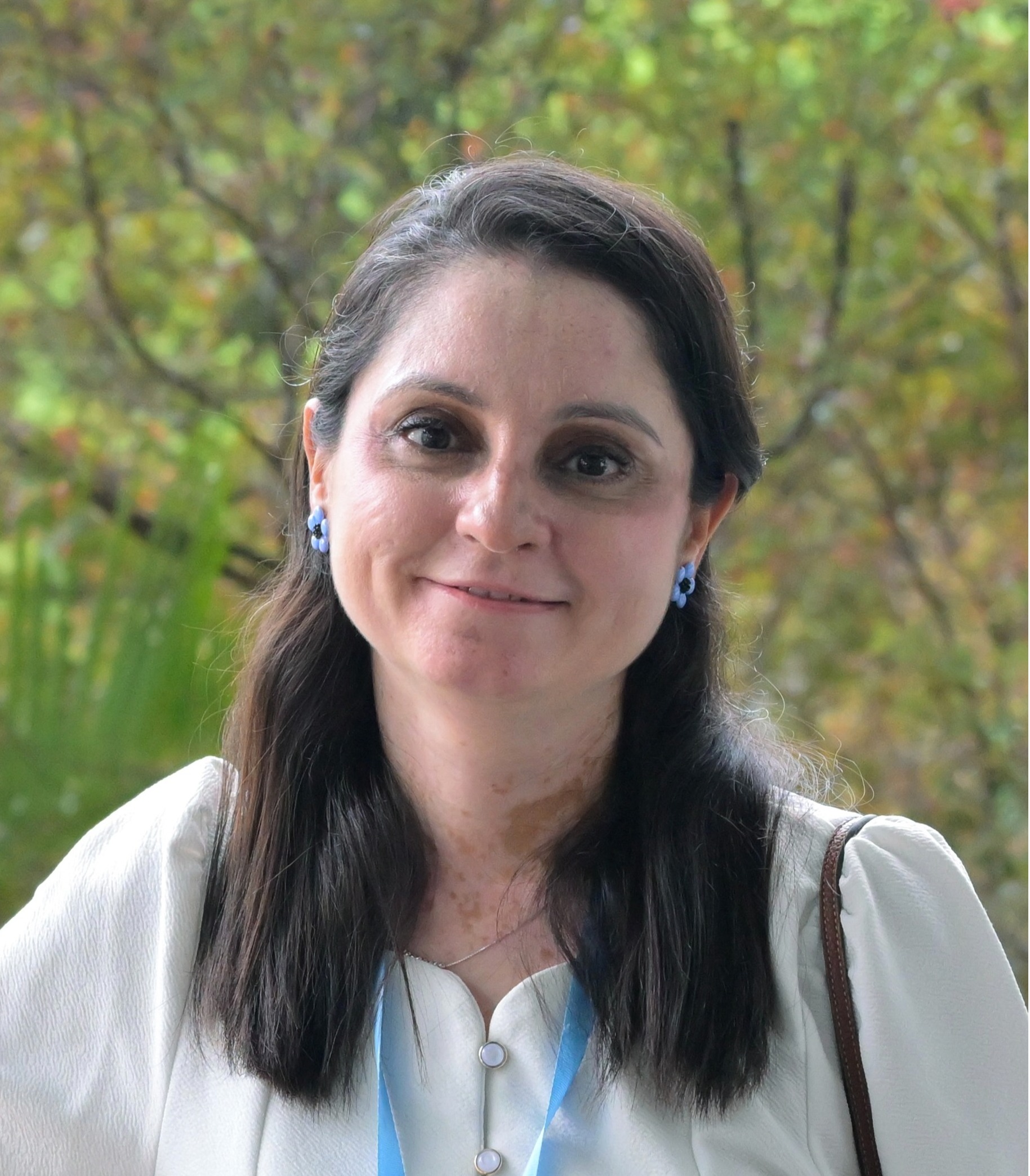 S10-L1
Satvinder KaurUCSI University, Malaysia
-
Chrono-DM: the temporal dimension of prediabetes—linking sleep profiles, chronotype, and glycaemic control in Malaysian adults
-
 S10-L2
San KimDaesang Wellife, Korea
-
AI-driven digital health platform for personalized nutrition: from CGM data to actionable insights — the diabetes pro 2.0 calibration model
-
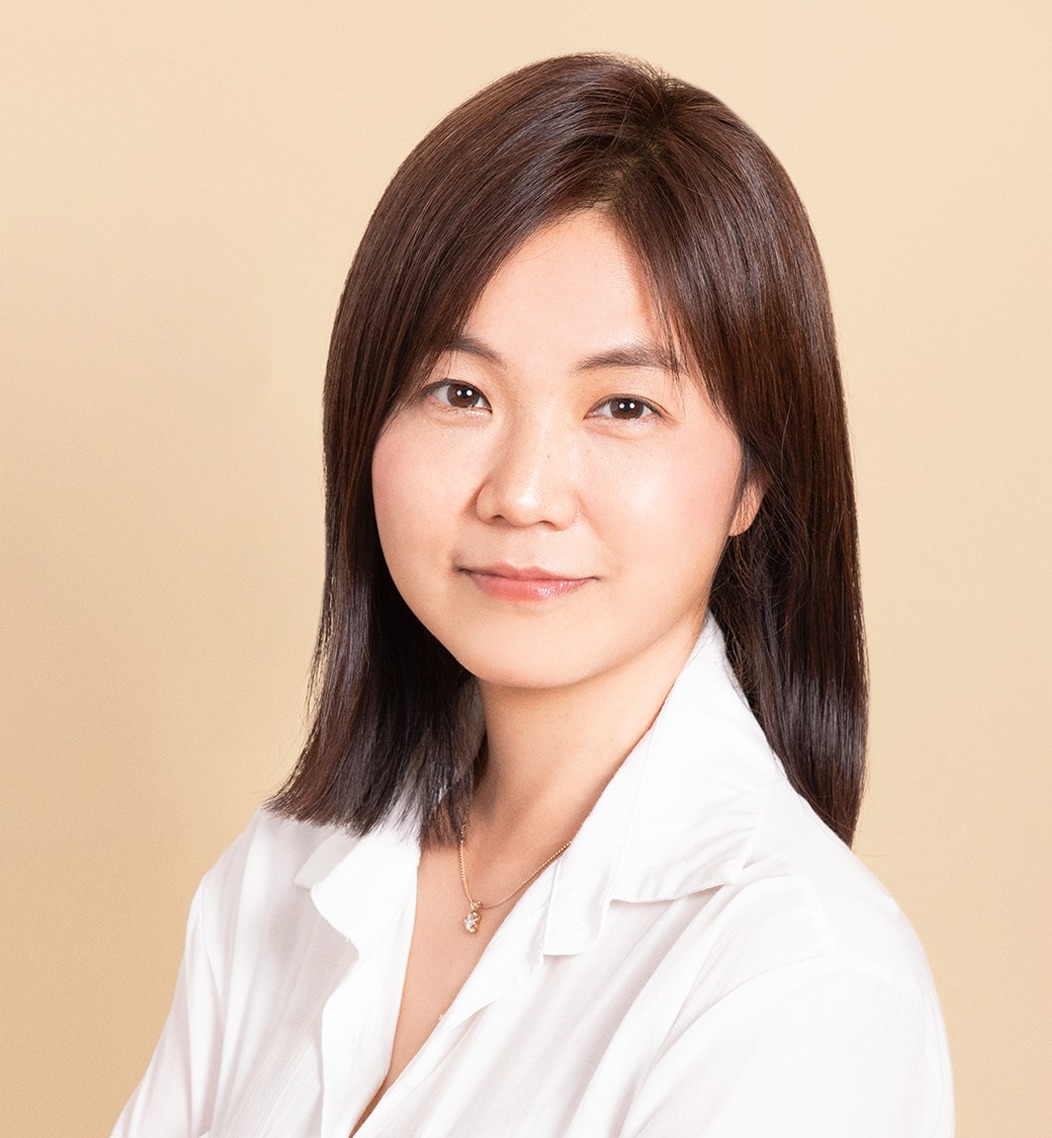 S10-L3
YoonJu SongThe Catholic University of Korea, Korea
-
Tailored nutritional intervention: practical application of CGM-based glycemic data
- Panel discussion
-
-
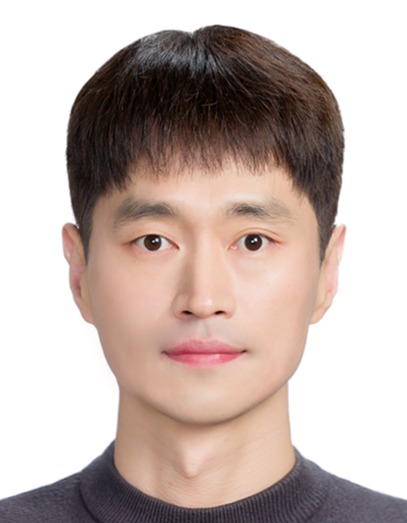 S10-P1
Jong Han ChoiKonkuk University, Korea
-
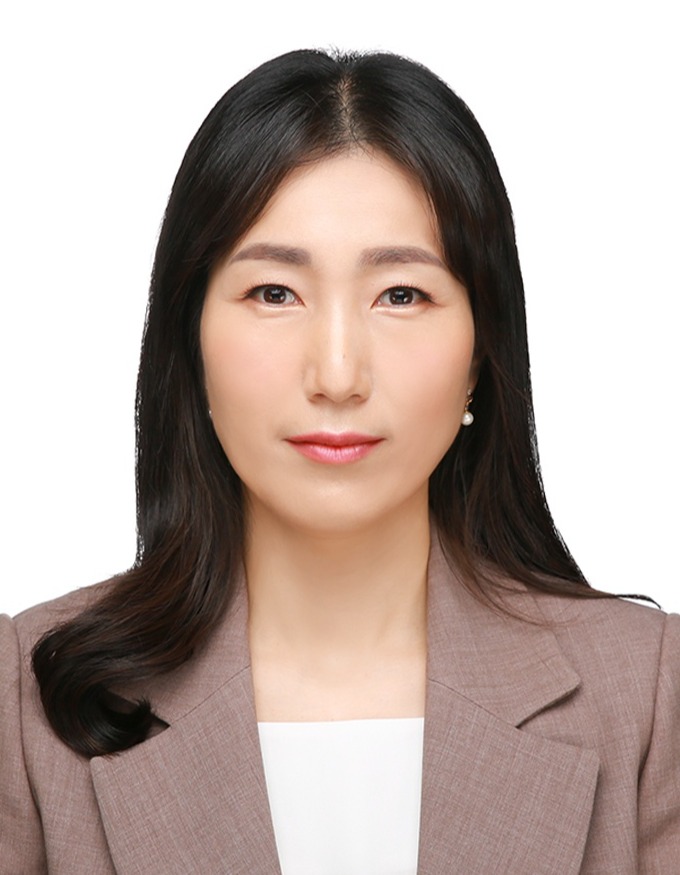 S10-P2
Yun Mi ChungKyung Hee University Medical Center, Korea
-
S10-P3
Hyunjung LimKyung Hee University, Korea


