Program details
-
Holistic approach to type 2 diabetes Sponsored by Novo Nordisk
A holistic approach to the cardio-renal-matabolic continuum: enhancing patient outcomes and clinical efficacy with once-weekly semaglutide
Chair(s): Jeong-Taek Woo, Hyuk-Sang Kwon
Friday 16 October, 09:00~10:20
Room 1
-
This session brings together global experts to share insights on advancing care in type 2 diabetes across the cardio-renal-metabolic continuum. Speakers will highlight the clinical impact and real-world application of semaglutide, along with strategies to optimize patient outcomes and deliver more integrated care. It will also provide practical perspectives to support decision-making in clinical practice.
-
-
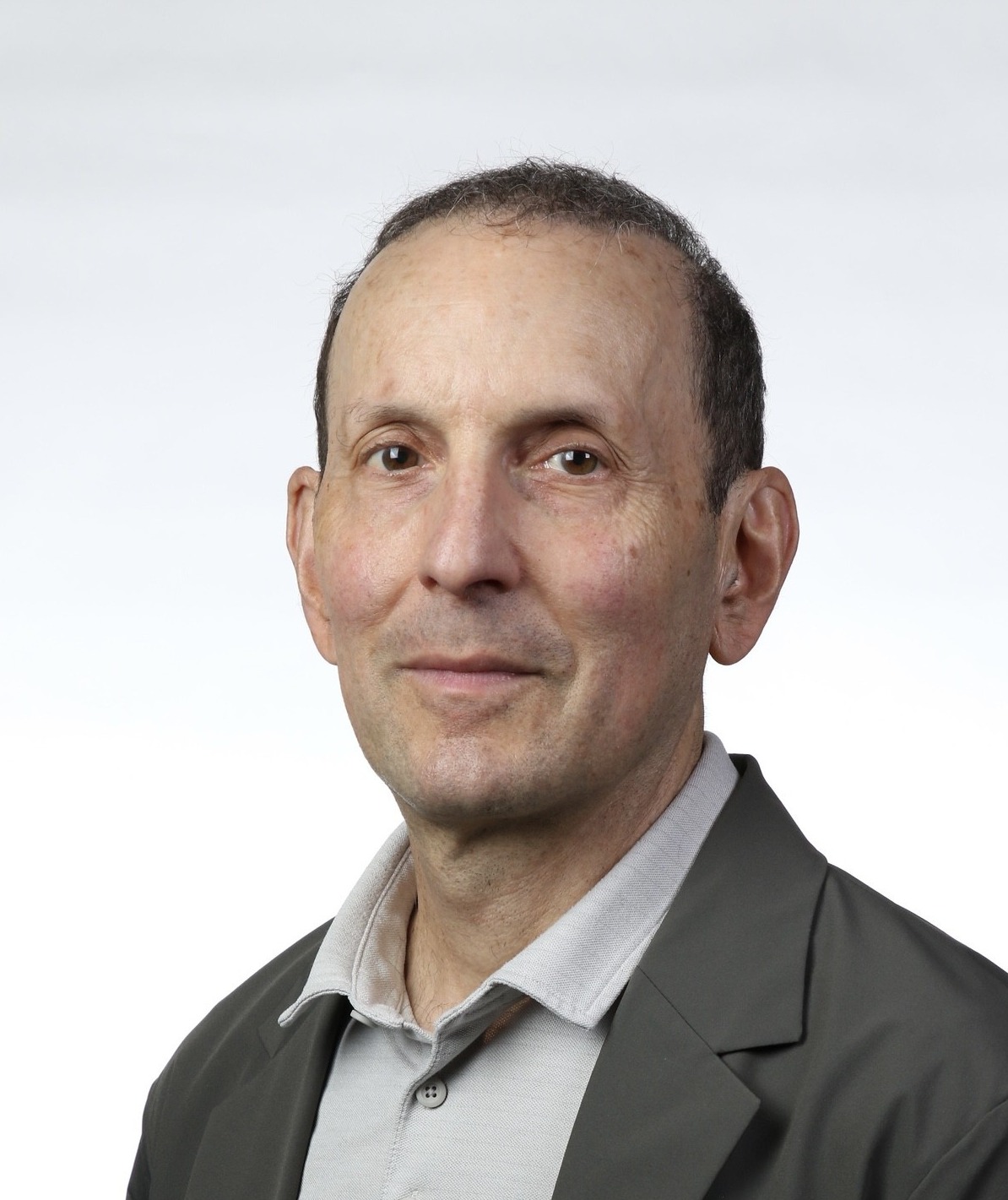 SSS1-L1
Daniel J. DruckerUniversity of Toronto, Canada
-
Semaglutide and the new era of metabolic medicine: mechanisms, evidence, and future directions
-
 SSS1-L2
Darren McGuireUniversity of Texas Southwestern Medical Center, USA
-
Beyond the threat : achieving total metabolic and cardiovascular success with once-weekly semaglutide
-
 SSS1-L3
Ryo SuzukiTokyo Medical University, Japan
-
Navigating the real-world patient journey: efficacy and tolerability of once-weekly semaglutide
-
SGLT2 inhibition: class effect, clinical variability and Asian evidence Sponsored by Daewoong Pharmaceutical
Critical review of class effect and clinical heterogeneity of SGLT2 inhibitors, with a focus on emerging Asian clinical evidence and future research directions
Chair(s): Sungrae Kim, Em Yunir
Friday 16 October, 13:40~15:00
Room 6
-
This session provides a critical review of SGLT2 inhibitors, focusing on the complex interplay between their established class effects and the distinct clinical heterogeneities observed across different patient populations, with a particular emphasis on Asian evidence. The lectures will begin with a deep dive into understanding the clinical profiles of SGLT2 inhibition, followed by an exploration of next-generation therapeutic strategies. Leading experts will discuss how metabolic responses and cardiovascular-renal outcomes varies clinically, aiming to bridge the gap between idealized clinical trials and real-world Asian practices. Concluding with an interactive panel discussion, this session will offer comprehensive insights and evidence-based guidance for optimizing individualized T2DM management in the Asian region.
-
-
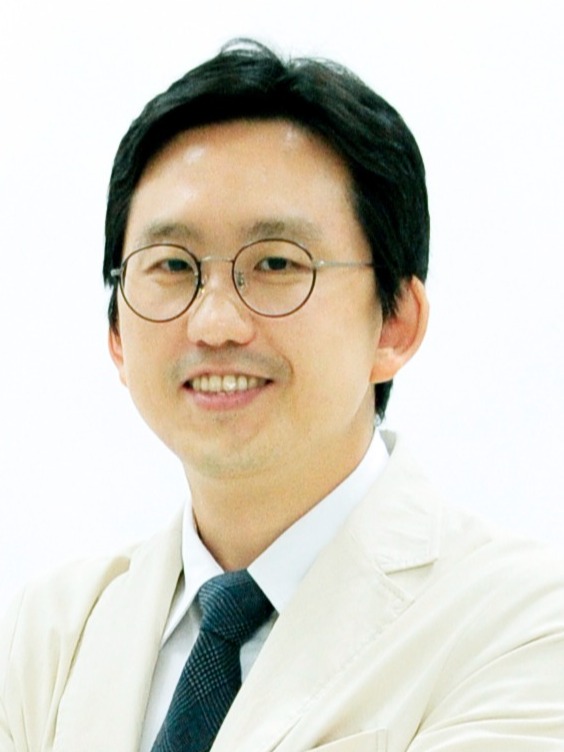 SSS2-L1
Jang Won SonThe Catholic University of Korea, Korea
-
Understanding class effect and clinical variability in SGLT2 inhibition
-
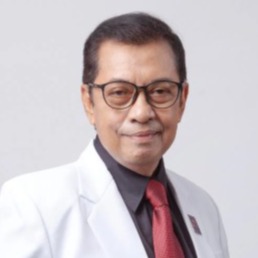 SSS2-L2
Soebagijo Adi SoelistijoRSUD Dr. Soetomo, Indonesia
-
SGLT2 Inhibition in Asian populations (Indonesia)
-
 SSS2-L3
Da Hea SeoInha University, Korea
-
Exploring a next-generation approach in SGLT2 inhibition based on Asian clinical evidence
- Panel discussion
-
-
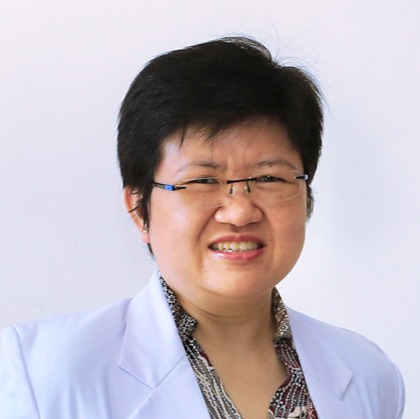 SSS2-P1
Nanny N.M. SoetedjoUniversitas Padjadjaran, Indonesia
-
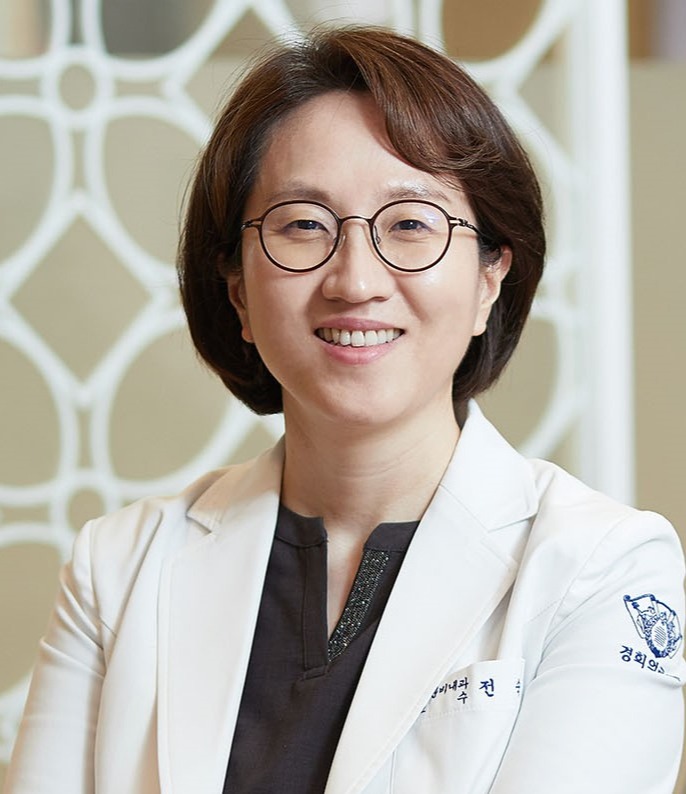 SSS2-P2
Suk ChonKyung Hee University, Korea
-
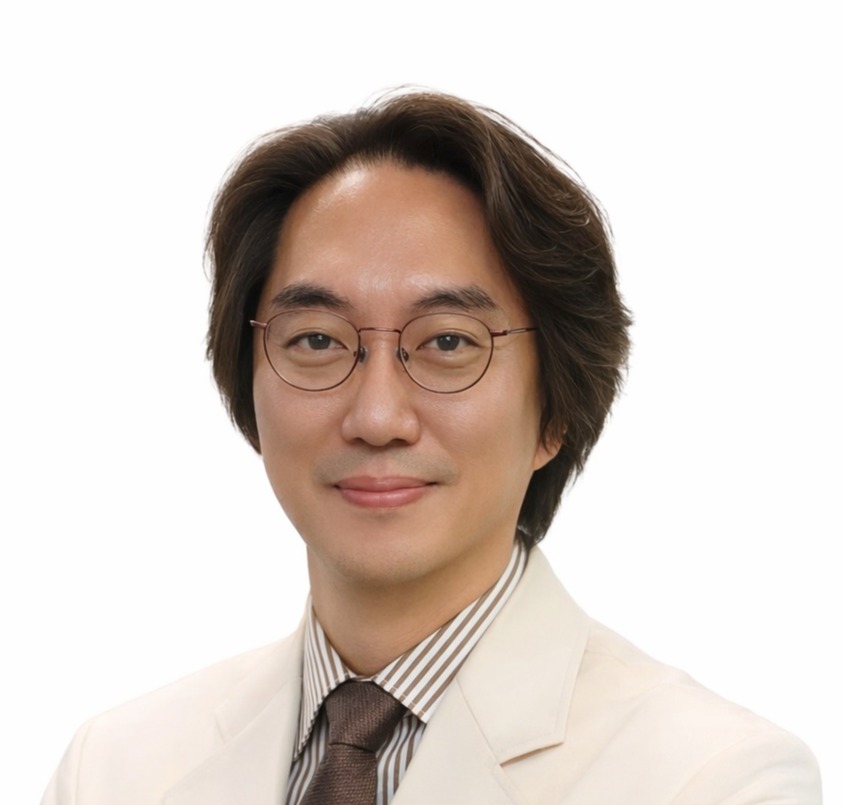 SSS2-P3
Sunghwan SuhSungkyunkwan University, Korea
-
Redefining CKM care with nsMRA Sponsored by Bayer
TBD
Chair(s): Kyoil Suh, Young Sun Hong
Friday 16 October, 16:00~17:20
Room 6
-
This session focuses on optimizing outcomes for chronic kidney disease in type 2 diabetes and CKM care utilizing finerenone. It highlights the emerging role of this non-steroidal MRA, offering deep scientific insights and clinical implications specifically for Asian patients. By bridging clinical evidence with real-world experience, this session will redefine therapeutic standards, paving the way for advanced cardio-renal protection and improved long-term patient outcomes.
-
-
 SSS3-L1
Hiddo Lambers HeerspinkUniversity Medical Center Groningen, Netherlands
-
The emerging role of nsMRA in CKM care
-
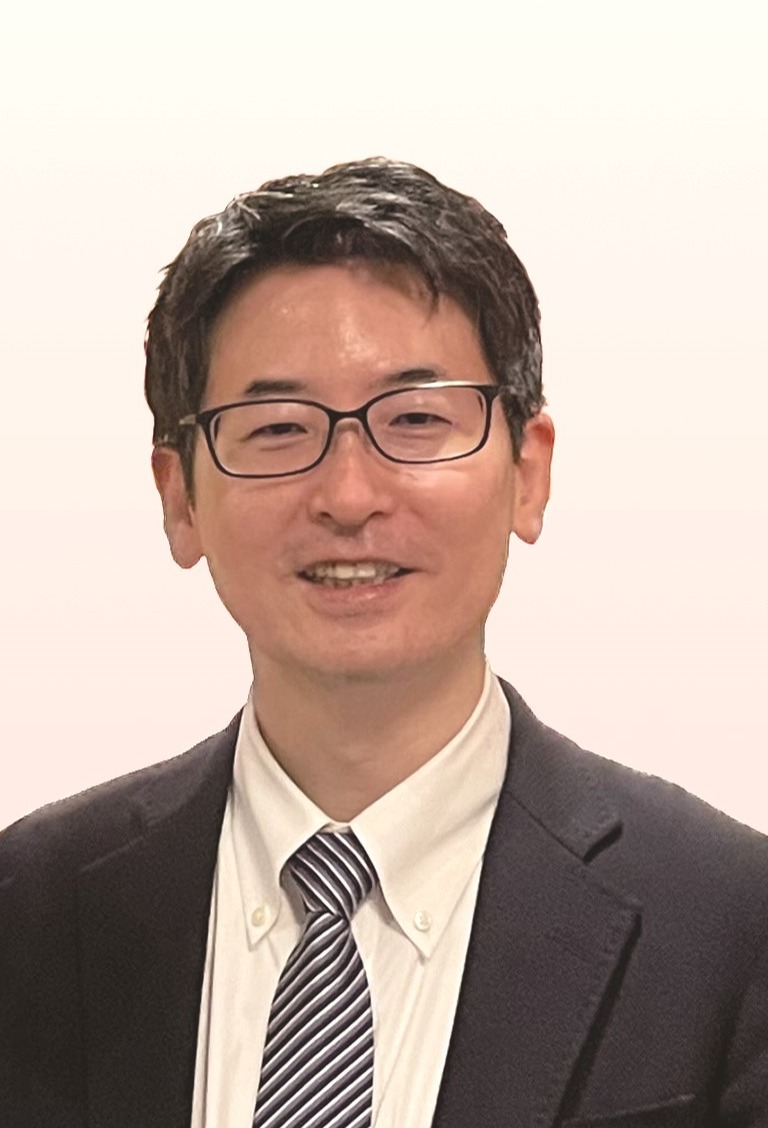 SSS3-L2
Daiji KawanamiFukuoka University, Japan
-
Scientific overview and clinical implication of Asian patients with finerenone
-
 SSS3-L3
Yun Kyung ChoUniversity of Ulsan, Korea
-
Bridging evidence and real world experience for cardio-renal protection
-
The oral GLP-1 Era
From oral non peptide agonists to phase 3 evidence and clinical application
Chair(s): Hyeong-Kyu Park, Eun Seok Kang
Saturday 17 October, 09:00~10:20
Room 2
-
This session explores the evolving landscape of incretin-based therapy, moving beyond peptide treatments toward oral non-peptide agonists. It begins with the pharmacological mechanisms and therapeutic potential of oral non-peptide GLP-1 receptor agonists, followed by an integrated review of phase 3 evidence from the ACHIEVE and ATTAIN programs in diabetes and obesity. The session concludes with a discussion on clinical translation, offering perspectives on future directions in diabetes and obesity management.
-
-
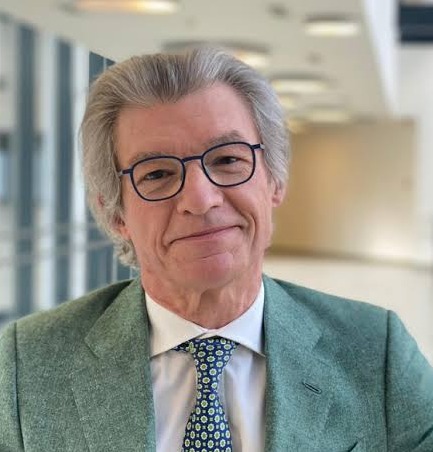 SSS4-L1
Luc Van GaalAntwerp University, Belgium
-
Oral non‑peptide GLP-1 receptor agonists: mechanisms and therapeutic potential in metabolic disease
-
 SSS4-L2
Young Min ChoSeoul National University, Korea
-
Achieve program: translating phase 3 evidence into clinical practice in type 2 diabetes
-
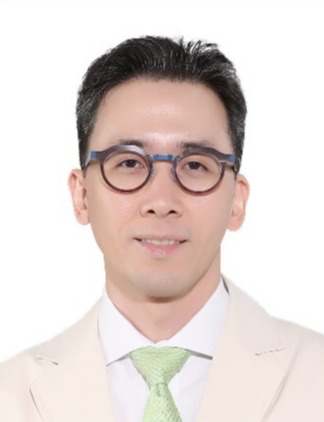 SSS4-L3
Seung-Hwan LeeThe Catholic University of Korea, Korea
-
Attain and beyond: clinical implications of phase 3 obesity trials in cardiometabolic care
-
Beyond glycemia: the comprehensive CKM-L approach
Define the CKM‑L continuum and why integrating cardiac, kidney, metabolic, and liver outcomes moves care beyond glycemic control
Chair(s): Choon Hee Chung, Cheol-Young Park
Saturday 17 October, 13:30~14:50
Room 2
-
Type 2 diabetes care is shifting from a glucose-focused model to a holistic CKM L approach integrating cardiovascular, kidney, metabolic, and liver health. This session highlights early, comprehensive risk management, reviews modern CKD treatment, and compares early EMPA-based therapy with traditional metformin use. It also explores emerging therapies, including GLP 1/GCGR dual agonists, with potential to address metabolic and liver outcomes within integrated care
-
-
 SSS5-L1
Per-Henrik GroopUniversity of Helsinki, Finland
-
Modern treatment of CKD in diabetes
-
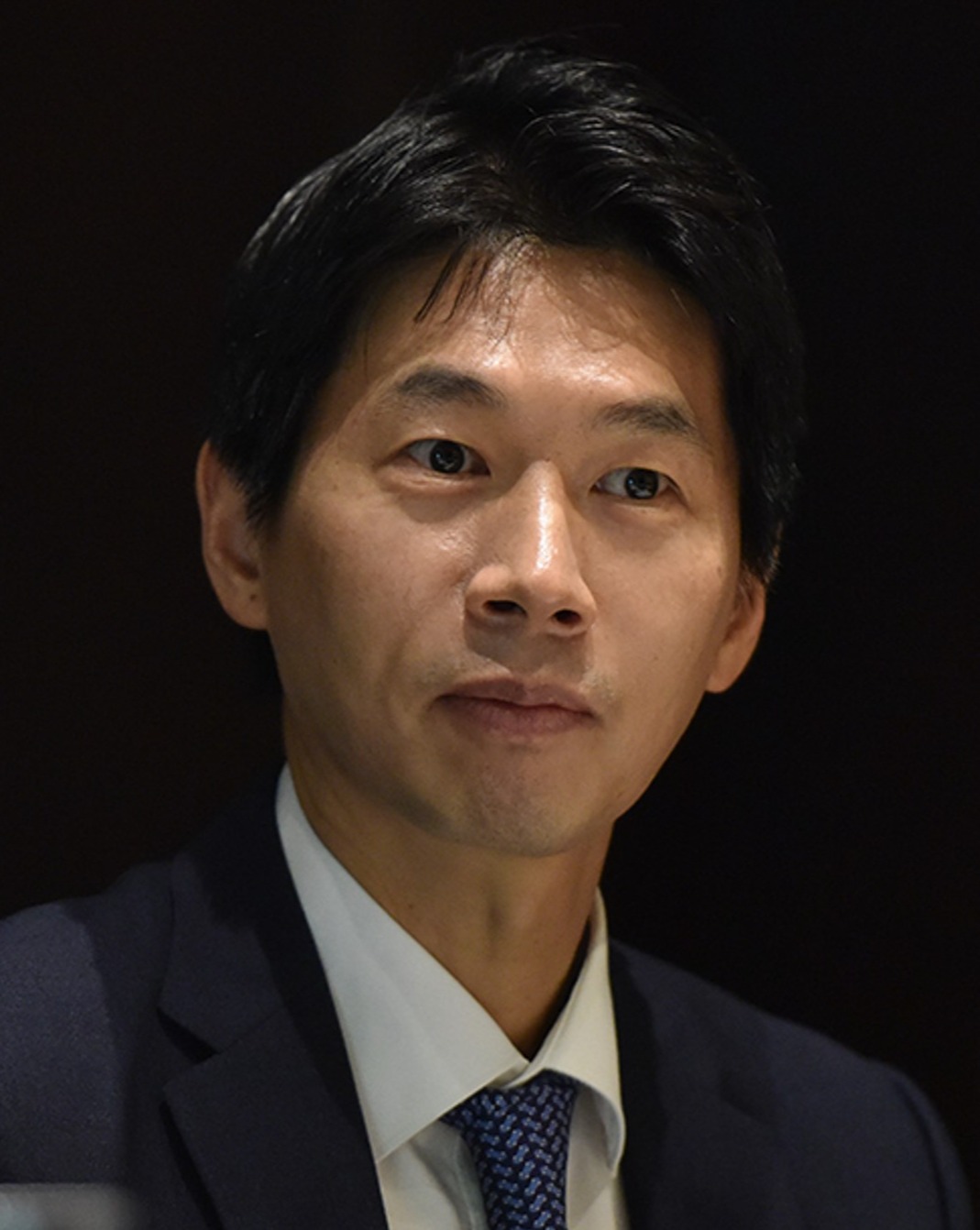 SSS5-L2
Soo LimSeoul National University, Korea
-
Anchoring early CKM care: EMPA FIT vs metformin in treatment-naïve T2D
-
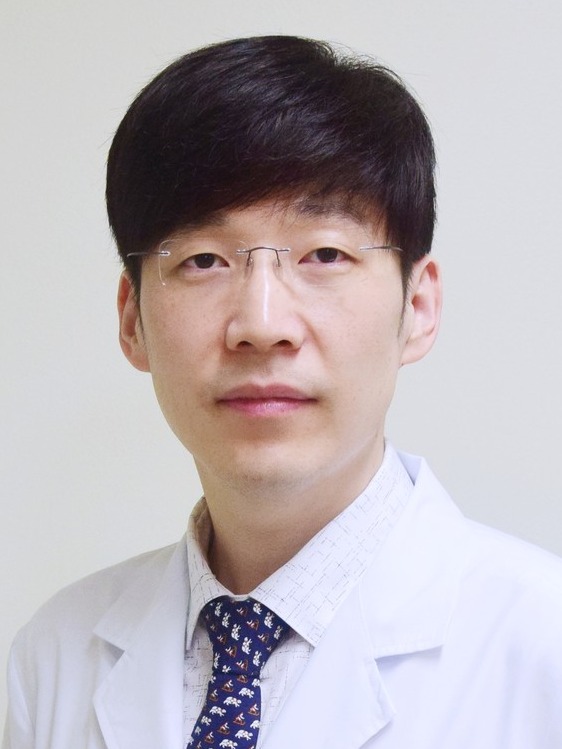 SSS5-L3
Jun Hwa HongEulji University, Korea
-
Expanding CKM to liver health with GLP-1/GCGR dual agonist (phase 3 updates)
-
The Asia diabetes summit Sponsored by LG Chem
The Asia diabetes summit: 4 nations, 4 specialized strategies
Chair(s): Hae Jin Kim, Wayne Huey-Herng Sheu
Saturday 17 October, 13:30~14:50
Room 4
-
Focusing on diabetes treatment considering the unique circumstances of each country in Asia, this session examines distinct national challenges—such as postprandial glucose management reflecting Asian dietary habits, severe obesity, and vulnerable aging populations. Experts will share practical know-how and tailored clinical solutions to address these issues. Ultimately, these insights will provide valuable guidance for improving daily practice and patient outcomes specifically across diverse Asian countries.
-
-
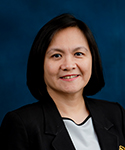 SSS6-L1
Olive De Guzman-QuizonManila Doctors Hospital, Philippines
-
Taming the 'invisible' rice spike: why reliable PPG control matters in resource-limited settings
-
 SSS6-L2
Chan Siew PhengSubang Jaya Medical Centre, Malaysia
-
Fighting obesity in Asia: beyond weight loss, gaining health
-
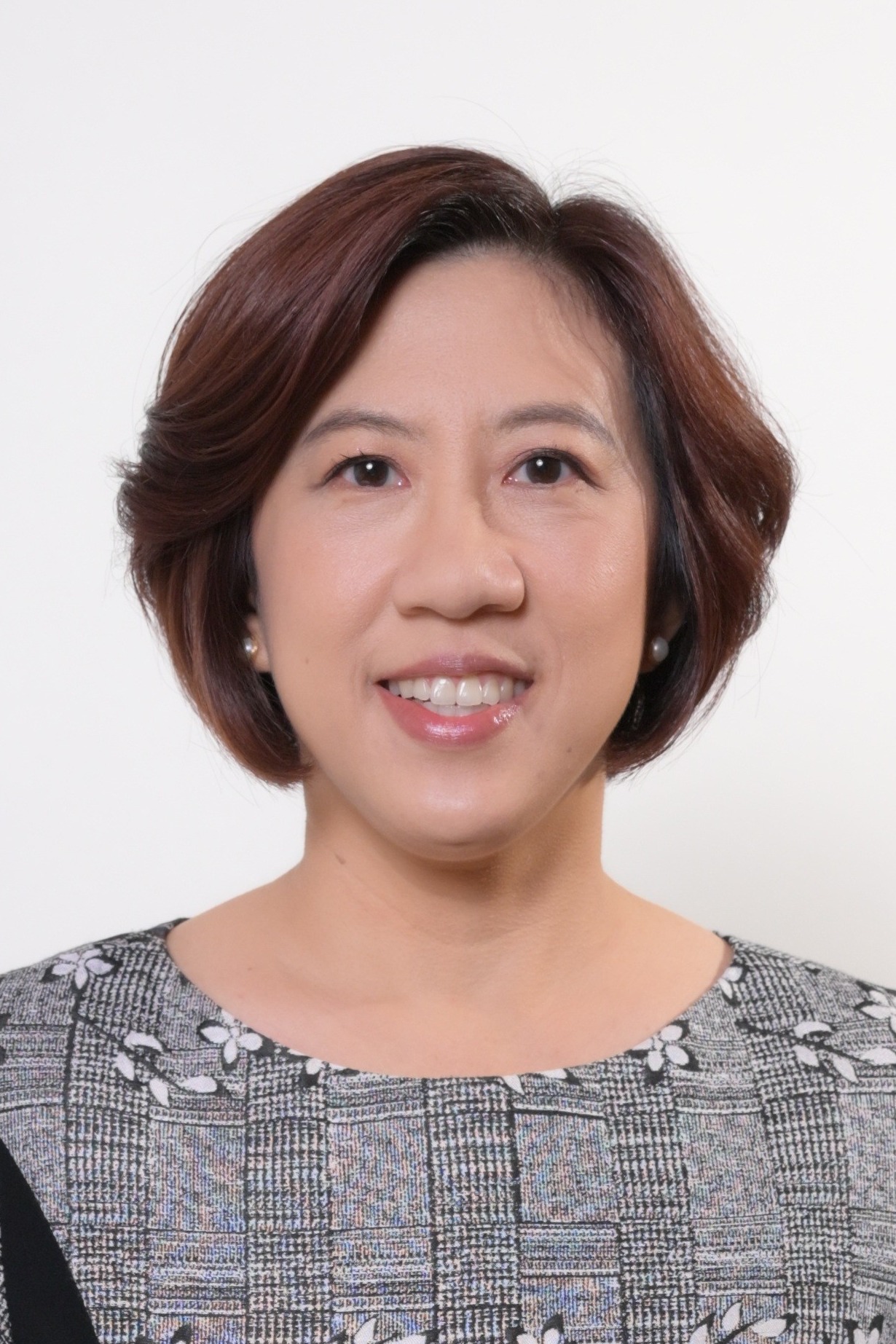 SSS6-L3
Navaporn NapartivaumnuayRajvithi Hospital, Thailand
-
Protecting the vulnerable: safety strategies for older adults & CKD patients
-
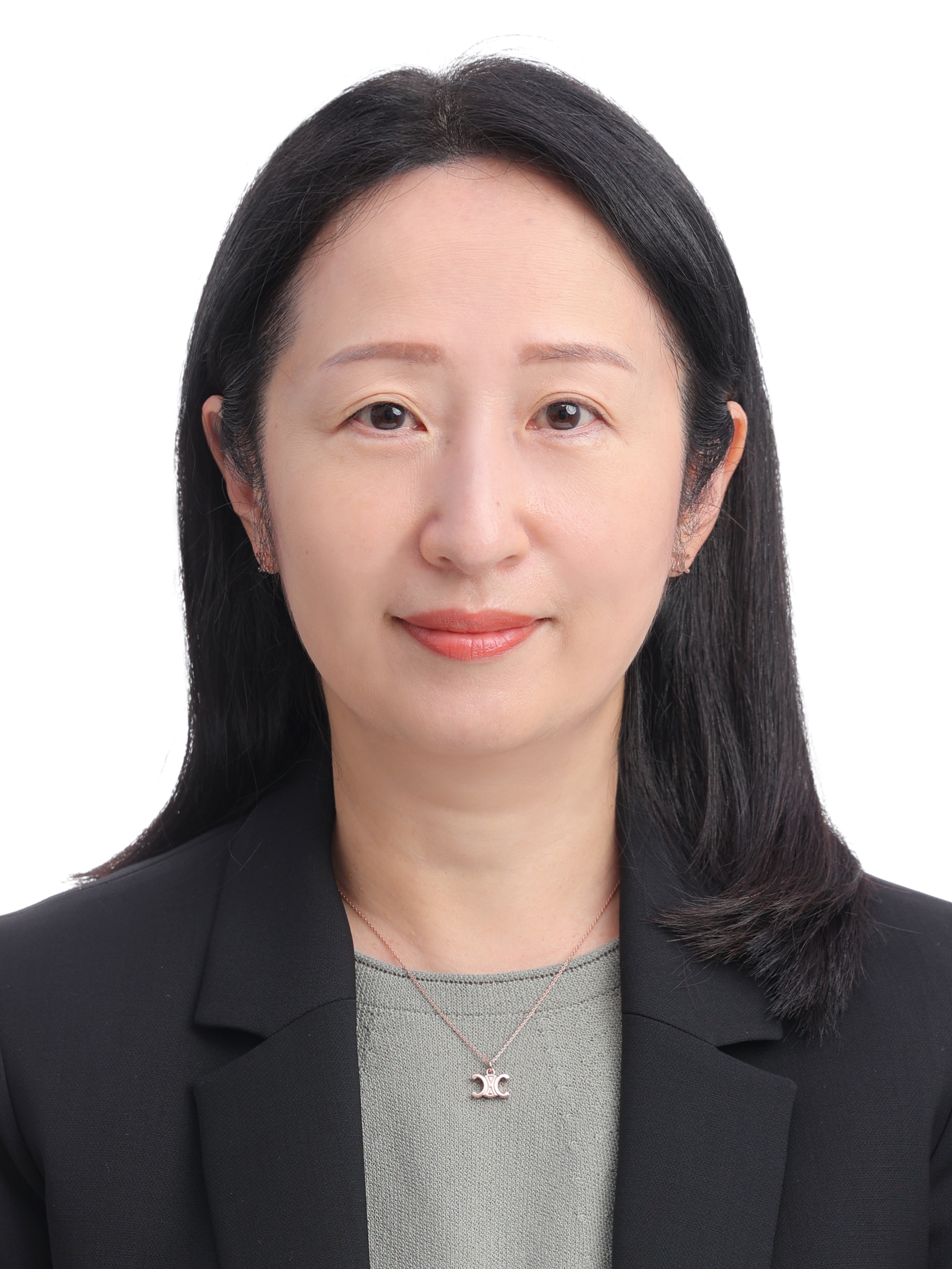 SSS6-L4
So Hun KimInha University, Korea
-
Time is pancreas: why Korea prioritizes early combination therapy
-
Future outlook of diabetes & cardiovascular management Sponsored by AstraZeneca
Comprehensive management of diabetes and its comorbidities
Chair(s): Soon Hee Lee, Chul Sik Kim
Saturday 17 October, 15:00~16:20
Room 2
-
This scientific session highlights the clinical importance of CKM-related comorbidities in diabetes, including hypertension, obesity, and drug-induced hyperkalemia. In this session, experts will discuss their prevalence, clinical burden, and practical management strategies across the various cormorbidities, while exploring emerging treatment paradigms that may contribute to CKM-based care and support improved long-term outcomes for people with diabetes.
-
-
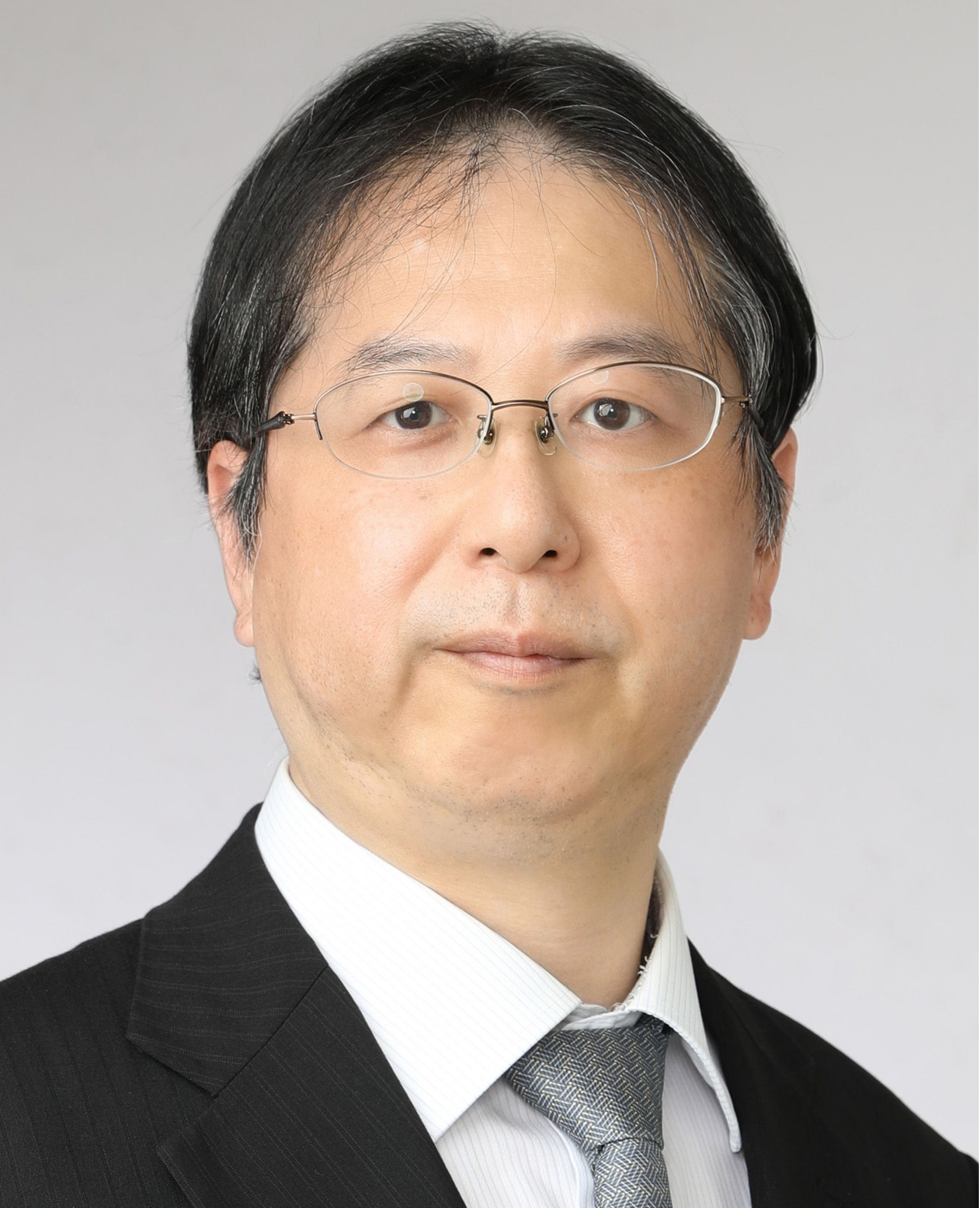 SSS7-L1
Hideki YokoiKumamoto University, Japan
-
Managing hyperkalemia in diabetes
-
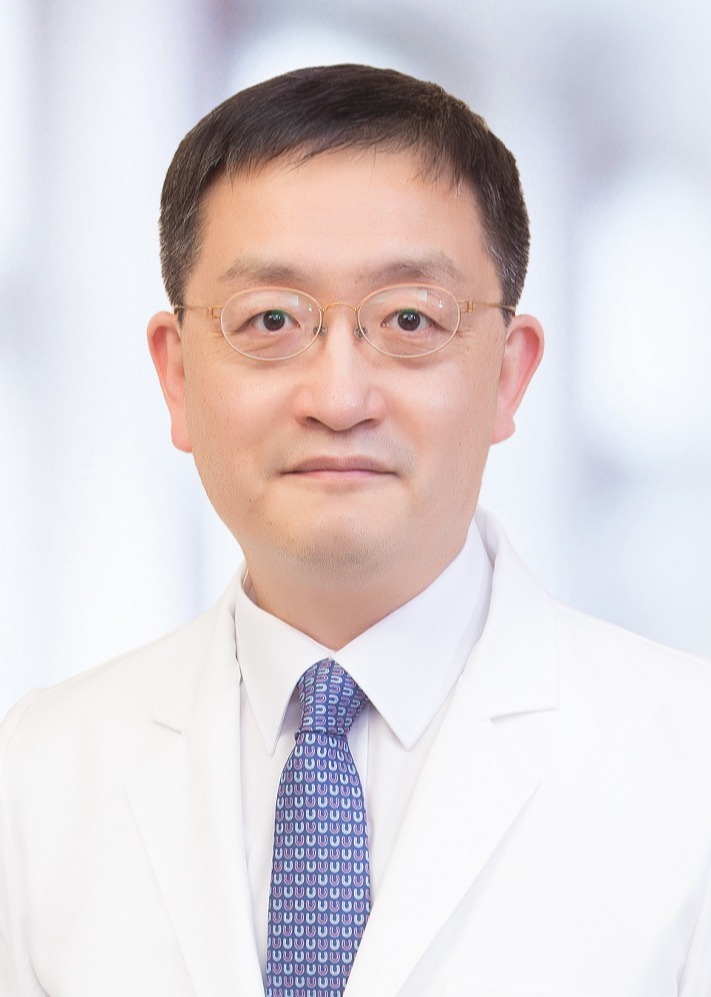 SSS7-L2
Hae-Young LeeSeoul National University, Korea
-
Managing uncontrolled hypertension in diabetes
-
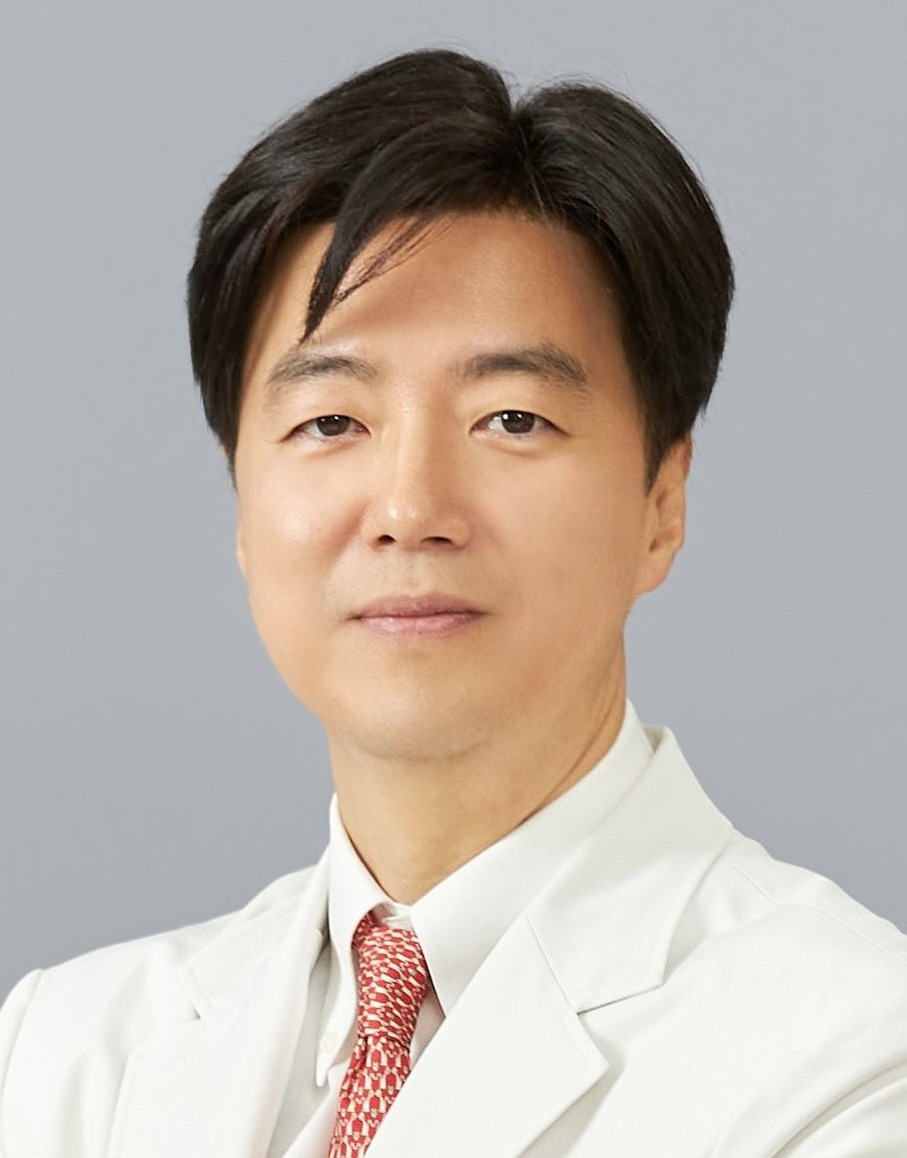 SSS7-L3
Sung Hoon YuHanyang University, Korea
-
Managing obesity in diabetes
-
Redefining TZD in evolving diabetes care Sponsored by Celltrion
Pioglitazone: from core mechanism to strategic integration
Chair(s): Bon Jeong Ku, Sangyong Kim
Saturday 17 October, 15:00~16:20
Room 3
-
This session provides a mechanism-based reappraisal of pioglitazone in type 2 diabetes. As a PPAR-γ agonist, it targets insulin resistance by restoring adipose tissue function, enhancing peripheral glucose utilization, reducing hepatic glucose output, and attenuating lipotoxic-inflammatory signaling. Lectures will examine durable glycemic control, metabolic remodeling, hepatic and vascular protection, macrovascular outcomes, and integration with contemporary therapies. Evidence-based patient selection and safety reassessment will reposition pioglitazone as a clinically relevant, mechanistically grounded option in modern diabetes care.
-
-
 SSS8-L1
Kenneth CusiUniversity of Florida, USA
-
Reappraising pioglitazone: metabolic modification and organ protection
-
SSS8-L2
Jun Hwa HongEulji University, Korea
-
Re-evaluating macrovascular outcomes and practical management method of pioglitazone
-
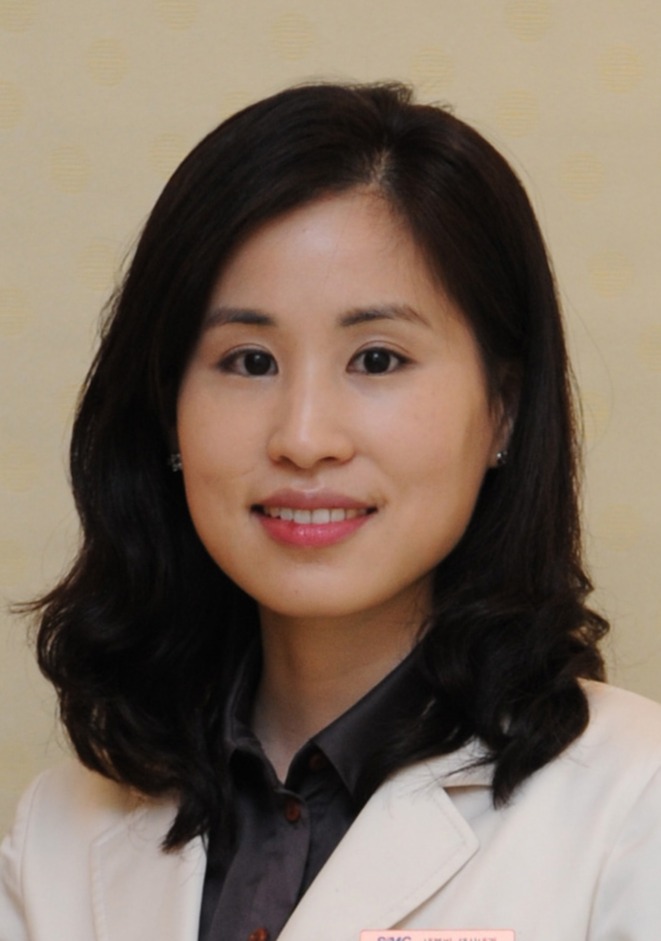 SSS8-L3
Gyuri KimSungkyunkwan University, Korea
-
Combination strategies with emerging therapies: the contemporary role of pioglitazone


